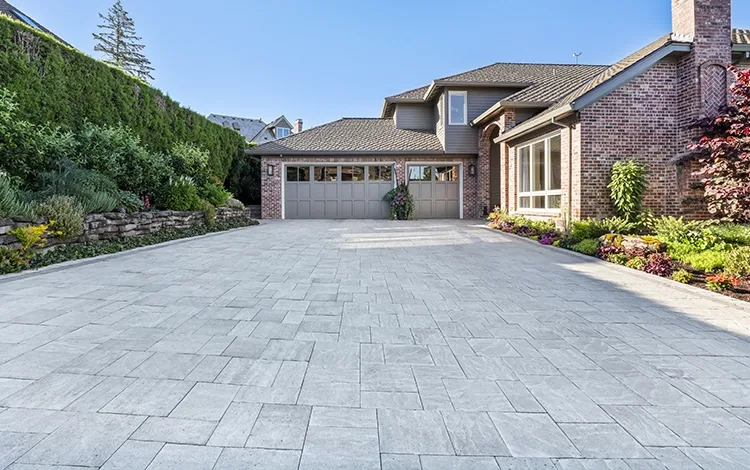
How Long Does a Paver Driveway Last? Pavers vs. Concrete
Published Date: Sep 16, 2026
Your driveway may not be something you think about often, but it’s certainly something you use daily. As one of the hardest-working features of your home, it’s also one of the first things people see when they arrive. That means it’s doing double duty when it comes to curb appeal.
So, if it’s time to replace an old driveway, it’s time to start looking beyond the initial price tag and ask yourself the bigger question: How long will a driveway actually last?
The most important factor in answering this will be your choice in materials. Driveways can be made from concrete, pavers, asphalt, or sometimes even gravel.
If you’re comparing pavers vs. concrete, longevity is one of the biggest differences to consider. A professionally installed paver driveway is designed to last for decades, while concrete is more prone to cracking, crumbling, and discoloration as it ages.
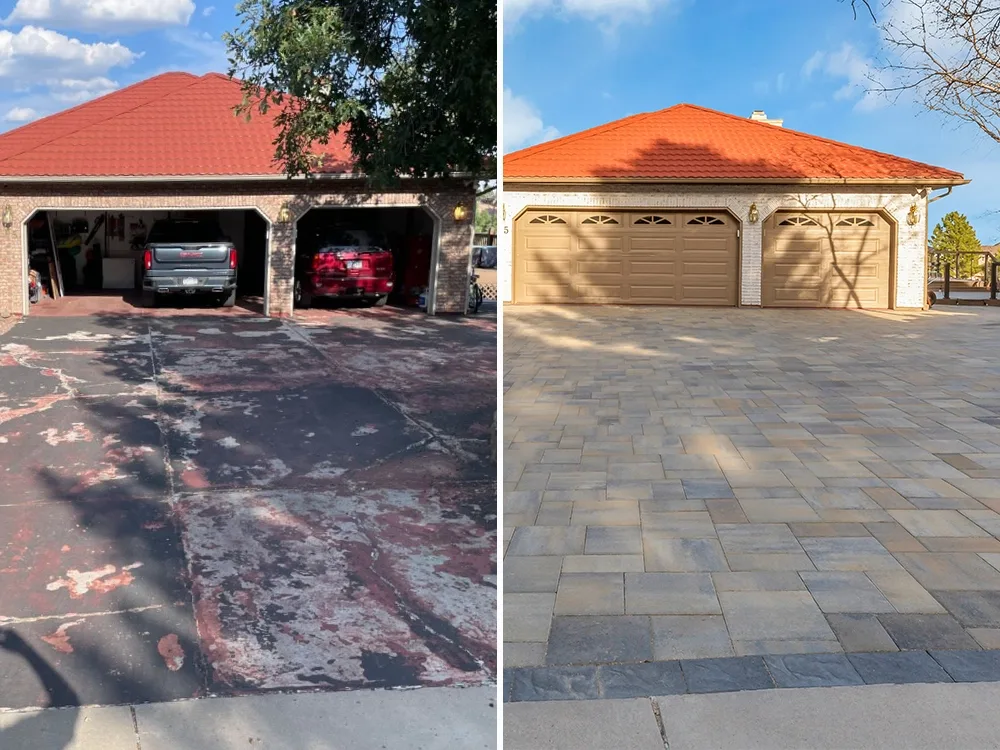
There’s another major advantage to using driveway pavers versus concrete. With paving stones, you’re not limited to one big, rigid slab. An interlocking paving stone driveway is made up of individual stones that lightly flex and work together as a system (A feature so strong, we even put it in our name!), helping the surface better handle stress, and wear and tear.
This means the material you choose for your driveway today will have a big impact on how your favorite parking place looks and performs years from now.
So, how long does a paver driveway last?
With the right materials and foundation work, a professionally installed paver driveway can last for decades. At System Pavers, we backs our paver driveway installations with an industry-leading 25-year workmanship warranty.
Saying a paver driveway is covered by a 25-year warranty doesn't mean you should put a date on your calendar 25 years from now and start planning your replacement. A warranty and a product’s expected longevity are two different things.
The warranty provides protection for covered workmanship issues; the underlying paver system is designed for long-term performance and can last for years beyond the warranty.
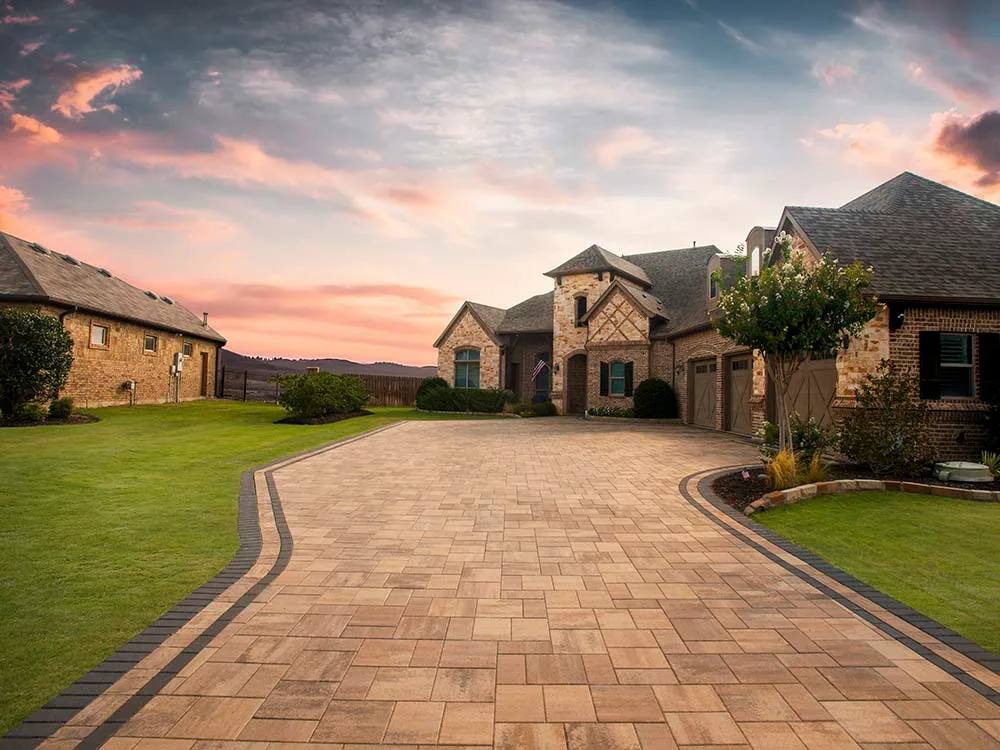
In fact, since we got into this business over 30 years ago, we still see the very first driveways we built looking nearly as good as new. See for yourself with this System Pavers' paving stone driveway that’s going so strong…it outlasted the house!
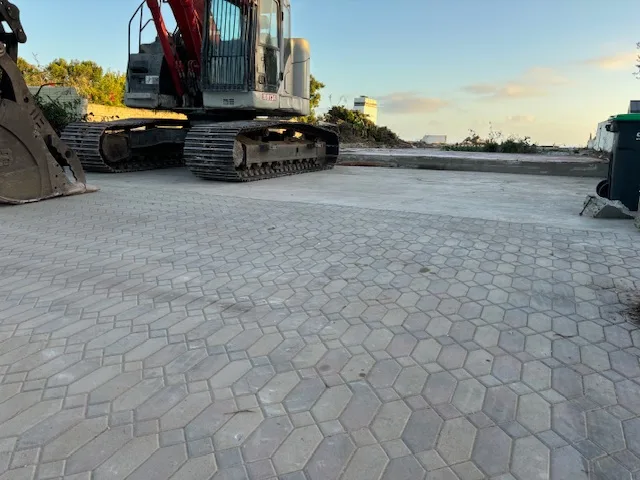
Long answer short, our driveways are designed to last 25 years at the minimum and typically last a long longer. That’s the not the case for concrete, which may last only 10 to 15 years.
Why do pavers have such longevity? The secret is in how the system works.
Unlike a poured concrete driveway, which is essentially one continuous surface, interlocking driveway pavers are individual units installed over a properly excavated and prepared base. The stones are designed to move slightly with the natural movement of the ground without creating the same kind of large, visible crack you might see in concrete.
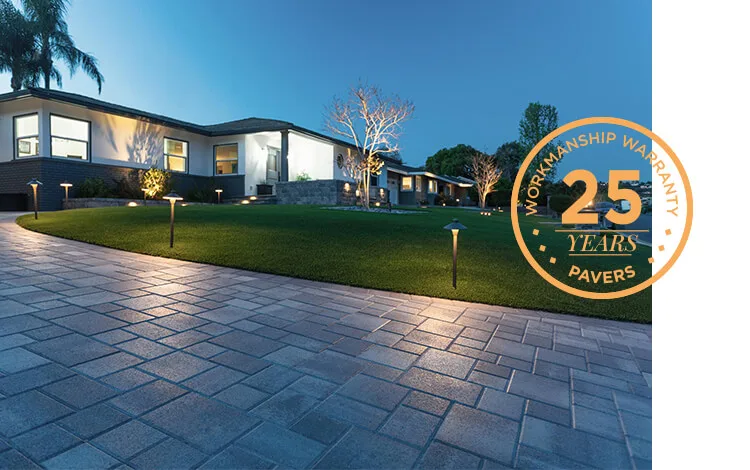
As leaders in outdoor remodeling, we’ve developed a proprietary process that ensures each of our paver products are built according to our exacting standards and specification. We call it our Permalast™ Layered Install System, and it’s is designed to create a strong foundation beneath the pavers. The system includes multiple layers that support the surface, promote drainage, and help distribute weight. It’s also our secret to being able to back all of our paver projects with a 25-year warranty, which is one of the best warranties in our industry.
Pavers vs. concrete: what happens over time?
Concrete has been a driveway staple for years, and there’s a reason: it’s familiar, widely available, and can provide a clean, simple surface.
But concrete has one big weakness: it’s rigid.
As the ground beneath your driveway expands, contracts, settles, or shifts, a rigid concrete slab has limited ability to accommodate that movement. Over time, that can lead to cracks. Weather, heavy vehicles, tree roots, drainage issues, and repeated freeze-thaw cycles can make the problem worse.
What starts out as a solid, seemingly indestructible piece of concrete becomes a cracked eyesore that has no easy remedy.
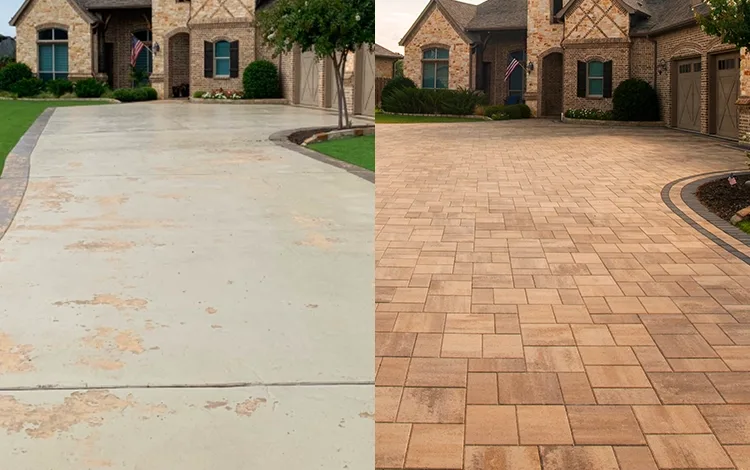
There’s no magic eraser for cracked concrete. Repairs are visible and can leave visible patches or color differences. Eventually, a severely cracked or buckling driveway will need to be replaced altogether.
Paver driveways are an entirely different beast.
Because individual paving stones are laid by hand to be one interlocing system (rather than poured as one continuous slab), the entire surface has some flexibility. Instead of forcing the entire surface to remain rigid while the ground beneath it moves, individual stones can work together to accommodate movement.
That flexibility is one reason pavers can handle up to 8,000 PSI, compared with approximately 4,000 PSI for concrete. (PSI stands for pounds per square inch).
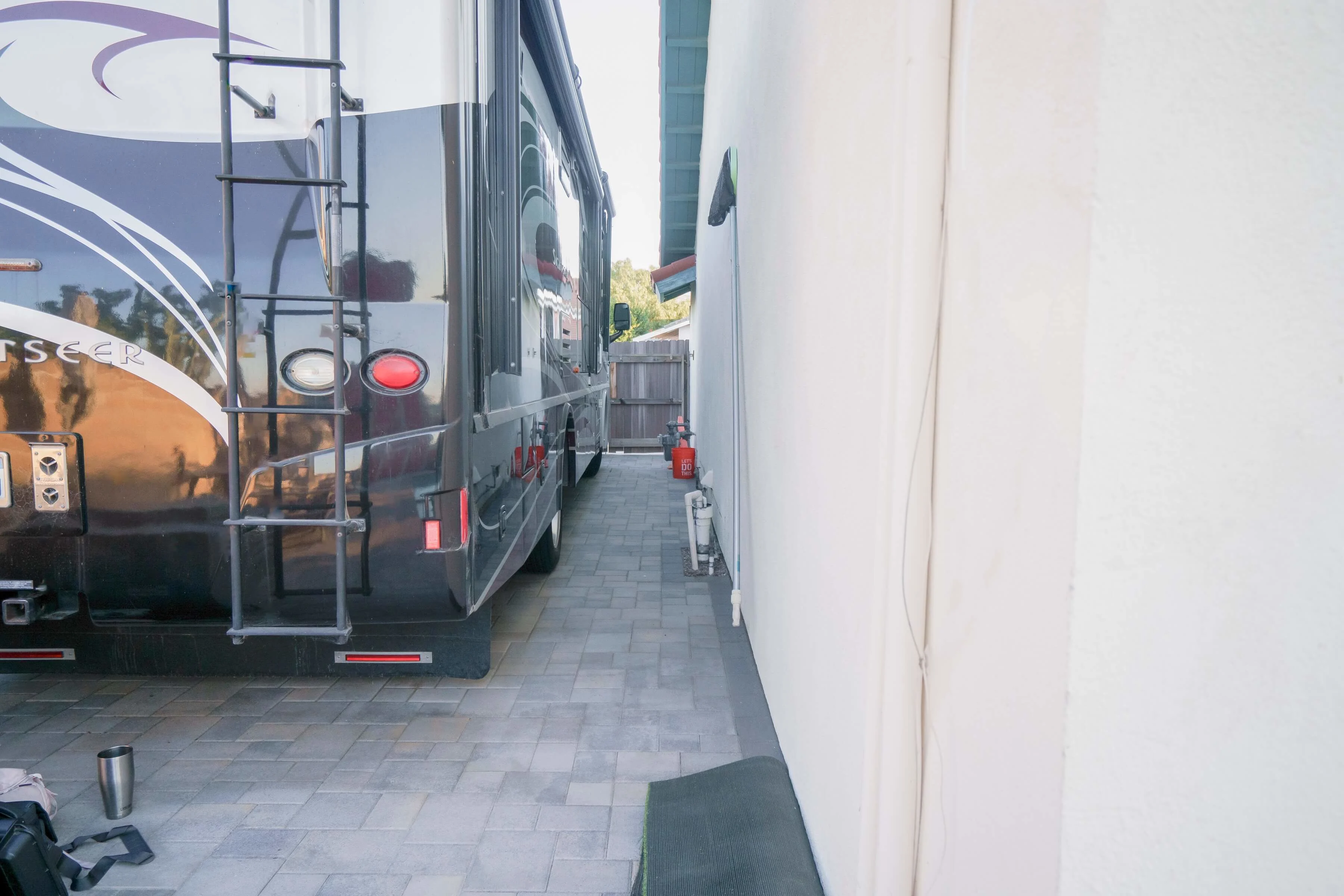
Here’s the simple version:
Concrete: One rigid surface that can crack when the ground moves beneath it.
Pavers: Individual stones working together in an interlocking system to better accommodate movement.
That difference becomes especially important when your driveway needs to stand up to years of cars, trucks, weather, and everyday wear.
What about repairs?
Here’s another advantage of a paving stone driveway that doesn’t always get enough attention: repairability.
If you need to access utilities under your driveway or one paver is damaged years down the road, you generally don’t have to replace the entire driveway.
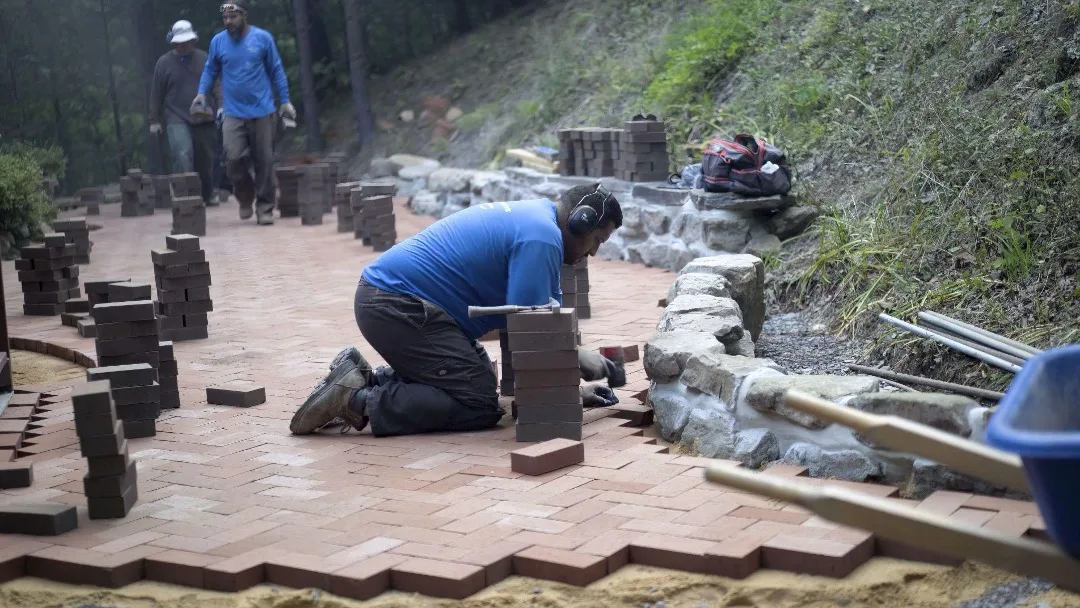
Individual paving stones can be removed and replaced, effectively zipping your driveway back up with one seamless, invisible repair. Think of it as the difference between replacing one tile and replacing the entire floor.
Paver longevity is about more than strength
Durability is a big reason homeowners choose driveway pavers. But it’s not the only one.
Your driveway is also a major part of your home’s curb appeal.
And unlike concrete, which generally gives you limited options beyond its basic shape and finish, pavers come in a wide variety of colors, shapes, textures, patterns, and styles.
That means your driveway can complement the architecture of your home instead of simply being a bland expanse between the street and garage.
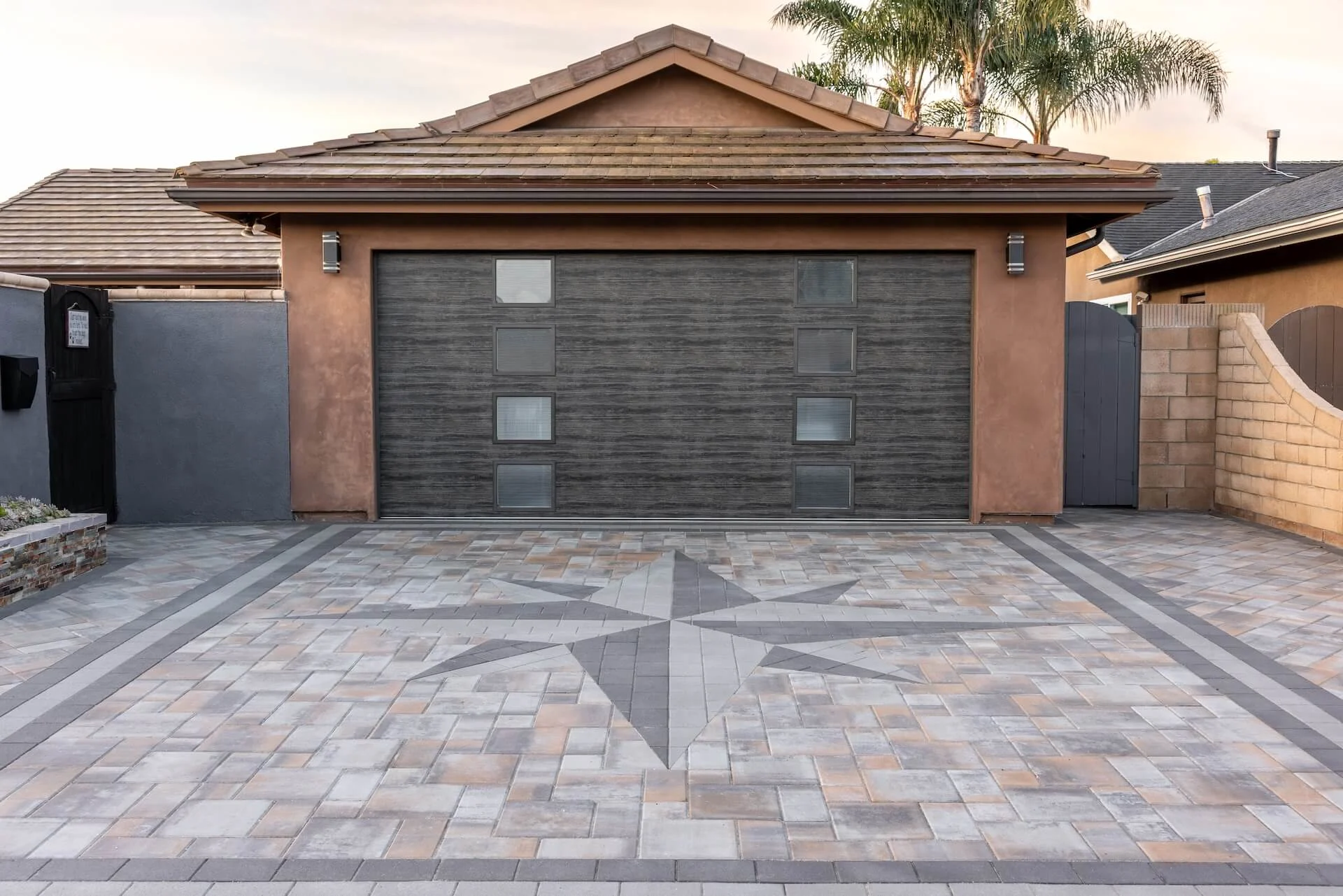
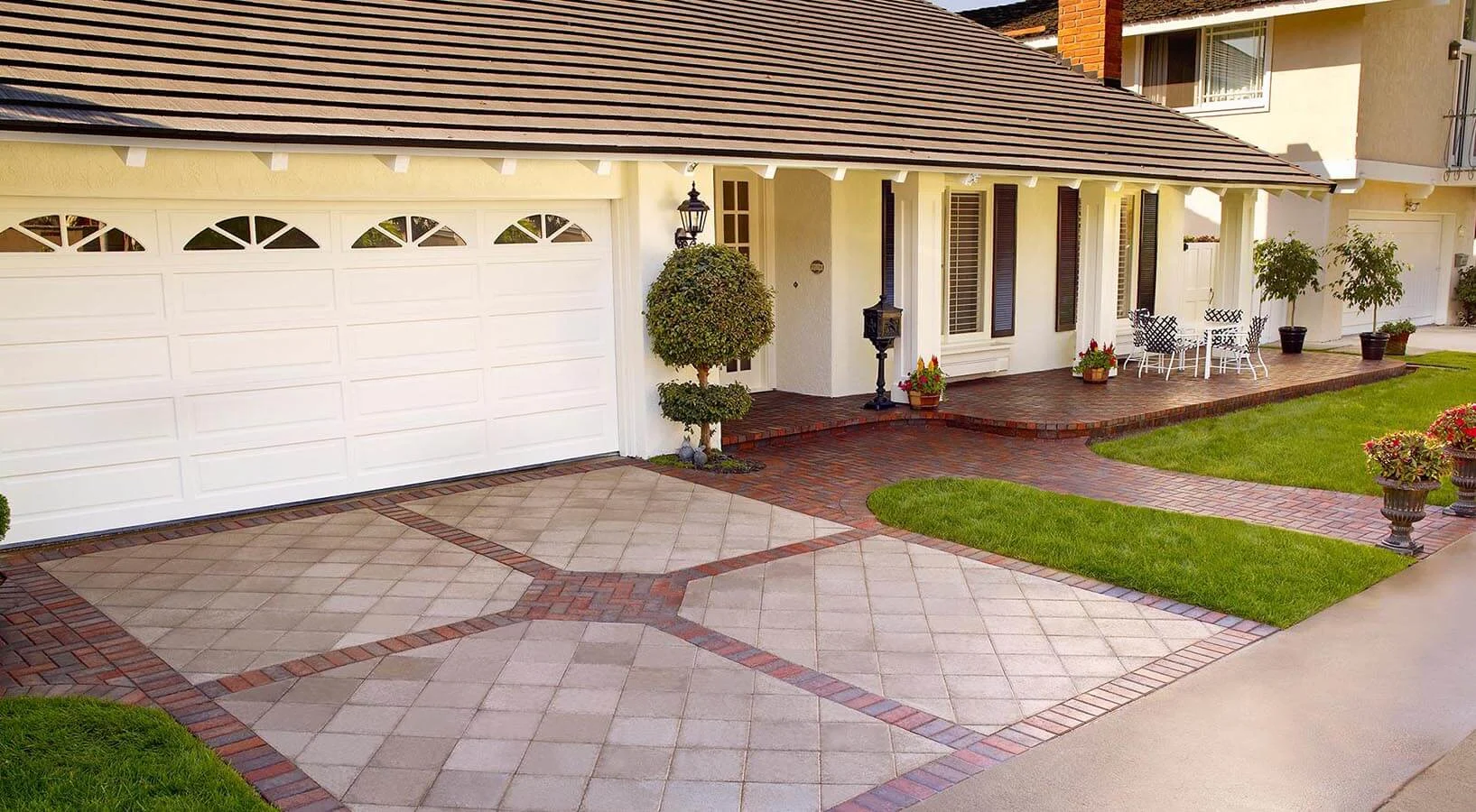
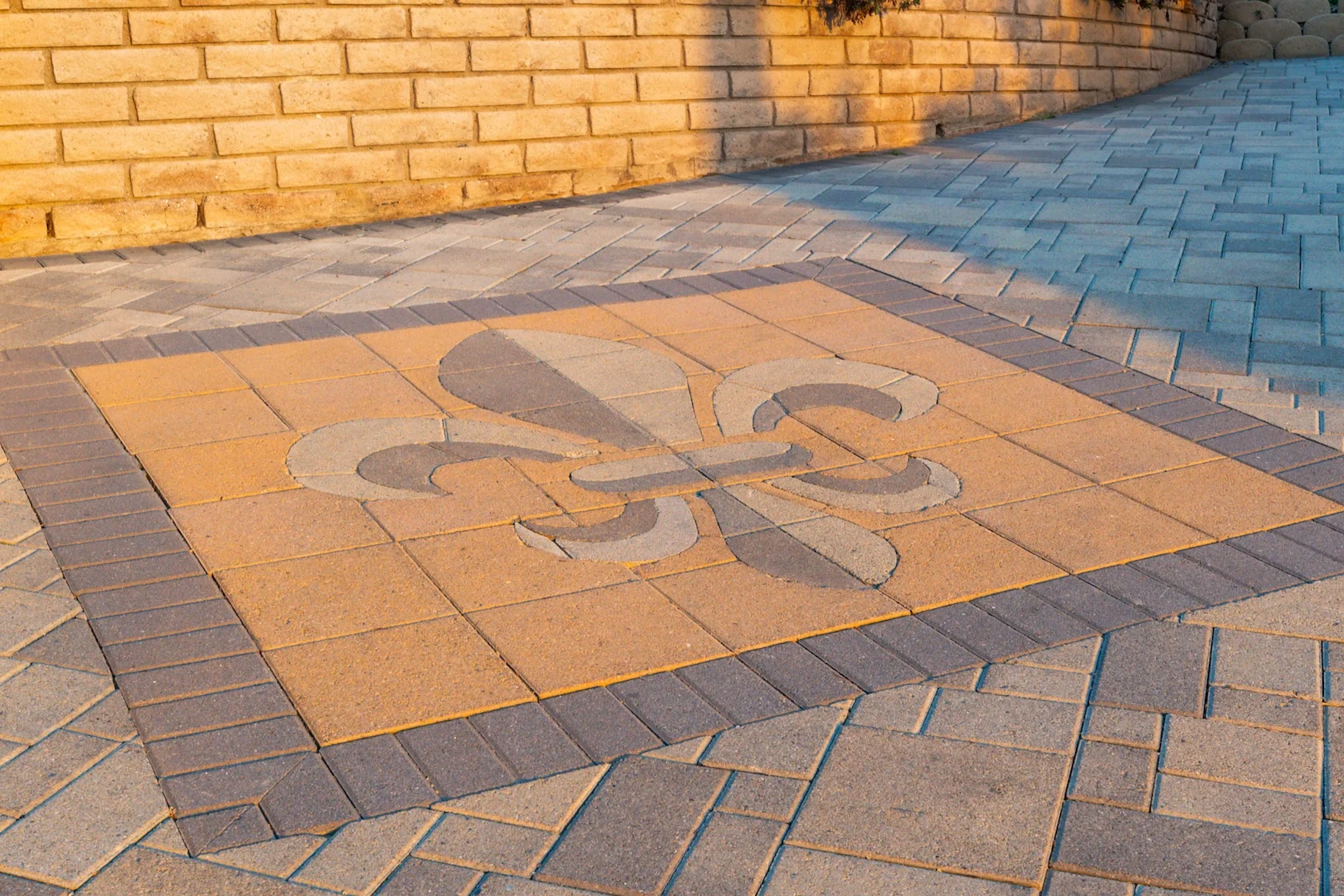
With pavers, you can create clean, contemporary lines. Some homeowners choose traditional stone-inspired look while others go for sleek and modern. Many add borders or patterns. You can even coordinate your driveway with a paver walkway or front entry. As your local driveway installation experts, we can help you create a driveway that feels intentionally designed rather than simply poured into your front lawn.
Those good looks matter for curb appeal.
It’s no surprise that driveways can make or break your home’s first impression. It’s frames the front of your property, connects the street to your home, and it’s the first thing people see when they come to visit. A thoughtfully designed driveway can make the home feel more welcoming before anyone even reaches the front door.
One of the best features of pavers is they’re engineered to retain their appearance over time. This means you don’t have to choose between durability and good looks, even years down the line. With pavers, you can easily have both!
What makes a paver driveway last?
Choosing to use pavers is an important first step. How pavers are installed is just as important.
A quality driveway starts below the surface.
At System Pavers, the existing driveway is removed rather than simply covering an old concrete or asphalt surface. The area is prepared specifically for the new interlocking paver system, with the appropriate base, grading, drainage, joint materials, and edge support.
That preparation helps create the stable foundation your driveway needs to perform for years.
This is why you may occasionally see paver driveways that don’t perform as well. Typically, they were installed by people who were focused more on finishing fast than creating a solid, lasting foundation.
A driveway can be durable without being complicated
There’s another part of a driveway remodel that doesn’t show up in a photo: the experience of getting the project done.
After more than three decades in outdoor remodeling, we’ve refined our process to make partnering with us something you can do with confidence.
It starts with an in-person consultation to understand your home, your space, and what you want your new driveway to accomplish.
From there, the design and estimate are developed around your project rather than forcing you into a one-size-fits-all solution. You can explore different paver styles, layouts, colors, and design details and understand what the finished space can look like before installation begins.
Then comes professional installation, with the project managed from start to finish.

That streamlined communication is important because a driveway remodel involves more than selecting a pretty paving stone. There are measurements, material selections, permitting, demolition, site preparation, drainage, grading, installation, finishing details, and plenty of moving pieces in between.
Our well-defined process helps keep those pieces moving so you don’t have to worry about what’s happening (or not happening) each step of the way.
Is a paver driveway worth it?
That depends on what matters most to you.
If your only goal is finding the least expensive way to create a drivable surface, there are plenty of options.
But if you’re thinking about the entire lifespan of your driveway—how it will perform, how it will look, how it can handle everyday wear, how repairs can be addressed, and how it contributes to your home’s curb appeal—then it makes sense to look beyond the initial installation cost.
Over the next few decades, a driveway is something you’ll use thousands of times. With some of the heaviest items you own!
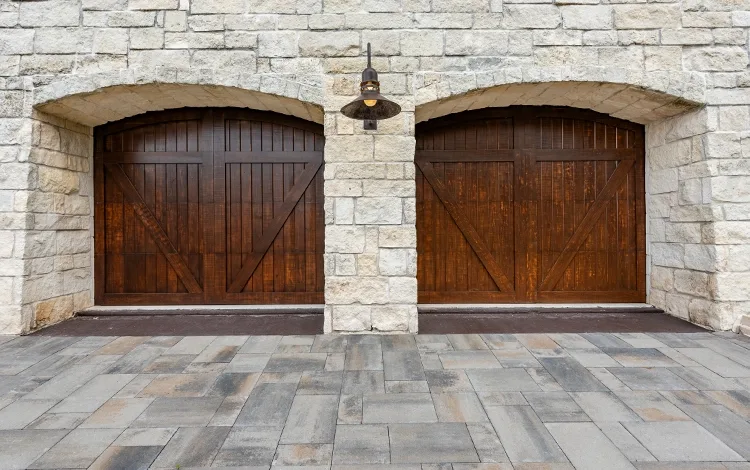
It will be what welcomes you home at the end of a long day. A place where the kids park their bikes or shoot hoops. It’s where you unload groceries, wash your car, and maybe even pause for a moment of peace before heading into whatever chaos awaits inside.
Those everyday moments are part of what makes your home yours and they can all be subtly improved by simply building a better driveway.
Pavers vs. concrete: the bottom line
When comparing pavers vs. concrete, there’s no question that both materials can be used to build a driveway. But they approach durability very differently.
Concrete is a rigid surface that can crack and discolor over time.
Interlocking driveway pavers are individual stones designed to work together, distribute weight, and accommodate some movement beneath the surface.
With professional installation, quality materials, and proper care, a paver driveway is an investment designed to last for decades. When paired with thoughtful design and quality craftsmanship, it adds lasting beauty and curb appeal that can be enjoyed for generations.
Ready to rethink your driveway?
If your cracked, dated, or worn-out driveway is keeping your home from making the impression you want, it may be time to see what’s possible.
Explore driveway paver designs, talk through your goals with a local System Pavers design consultant, and discover how a professionally installed paver driveway can bring more beauty, durability, and enjoyment to your home.