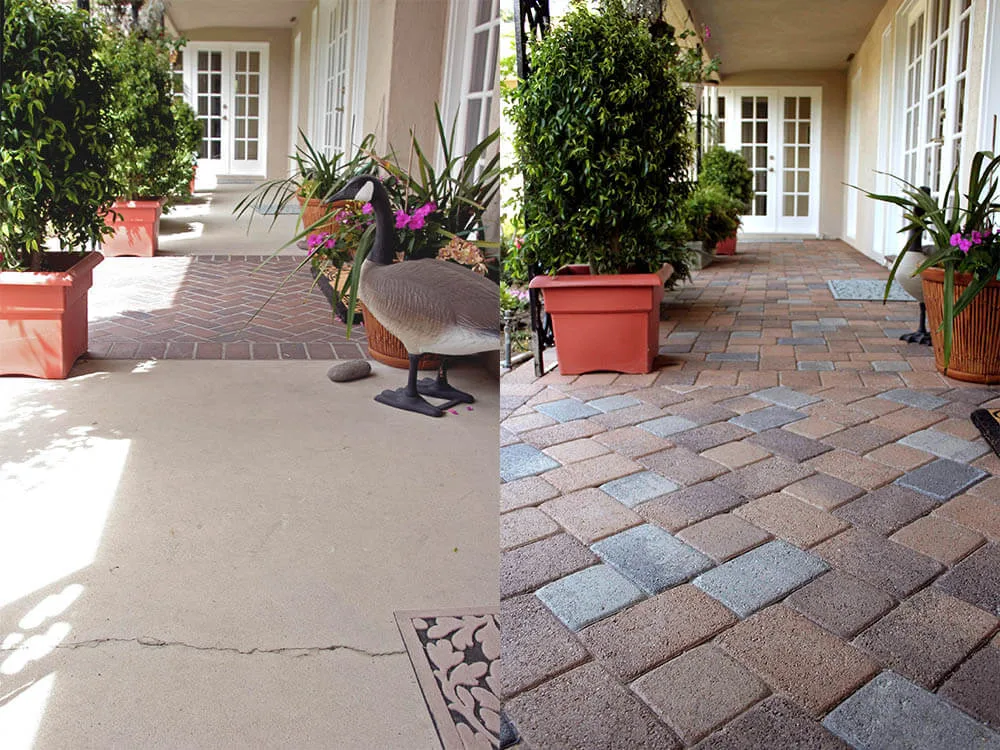
Why Pavers Outperform Concrete Over Time
Published Date: Jan 16, 2026
A Long-Term Durability, Maintenance & Value Comparison of Pavers vs. Concrete
When planning an outdoor remodel, whether it’s a driveway, patio, or walkway, many homeowners find themselves asking the same question:
Should I choose concrete or pavers?
At first, concrete may seem like the traditional or more affordable option. But when you look beyond the initial installation and consider long-term durability, maintenance costs, curb appeal, and overall value, pavers consistently outperform concrete over time.
Below, we break down the most important differences between pavers vs. concrete, so you can make a confident, informed decision. This will also help in understanding why so many homeowners ultimately search for a local paver installer near me instead of settling for concrete.
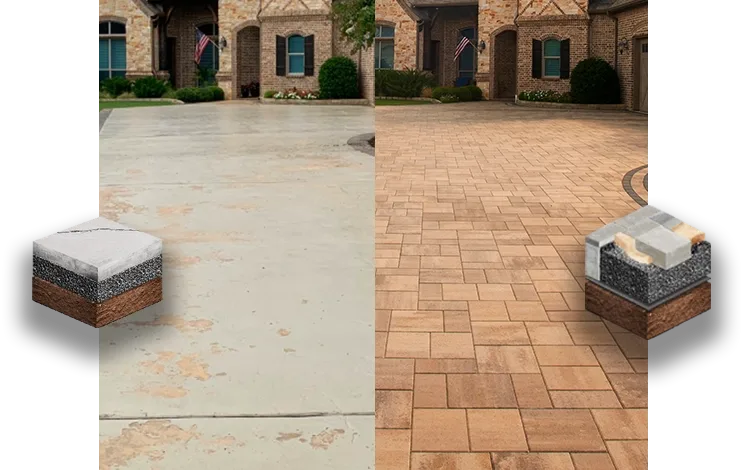
Pavers vs. Concrete: A Long-Term Perspective
Outdoor surfaces are exposed to constant stress. Not the type of stress that people have. Think things like vehicle weight, soil movement, temperature changes, moisture, and everyday wear. The real question isn’t about how your remodel looks on day one. What you really want to focus on Is how your renovated space performs year after year.
Let’s compare pavers and concrete across the areas that matter most.
1. Strength & Structural Performance
Pavers: Engineered for Strength
Pavers are designed to handle up to 8,000 PSI, making them nearly twice as strong as concrete. Because they are installed as interlocking units over a compacted base, they distribute weight evenly and flex naturally with ground movement.
This is especially important in regions that experience:
Soil shifting
Freeze-thaw cycles
Earthquakes
Heavy vehicle traffic
As System Pavers outdoor remodeling expert Aaron Brundage explains:
“Because pavers are interlocking and designed to evenly distribute weight, they are twice as strong as concrete and won’t crack or crumble due to overuse or shifting.”
Concrete: Rigid & Prone to Cracking
Concrete typically supports around 4,000 PSI and is poured as a single, rigid slab. While strong initially, it cannot flex with soil movement. Over time, this leads to:
Cracks
Heaving
Settling
Surface failure
Once concrete cracks, it’s not a question of if repairs are needed. It’s when.
2. Failure Points & Repairability
Pavers: Simple, Targeted Repairs
One of the biggest advantages of pavers is how they’re repaired should a fix be needed.
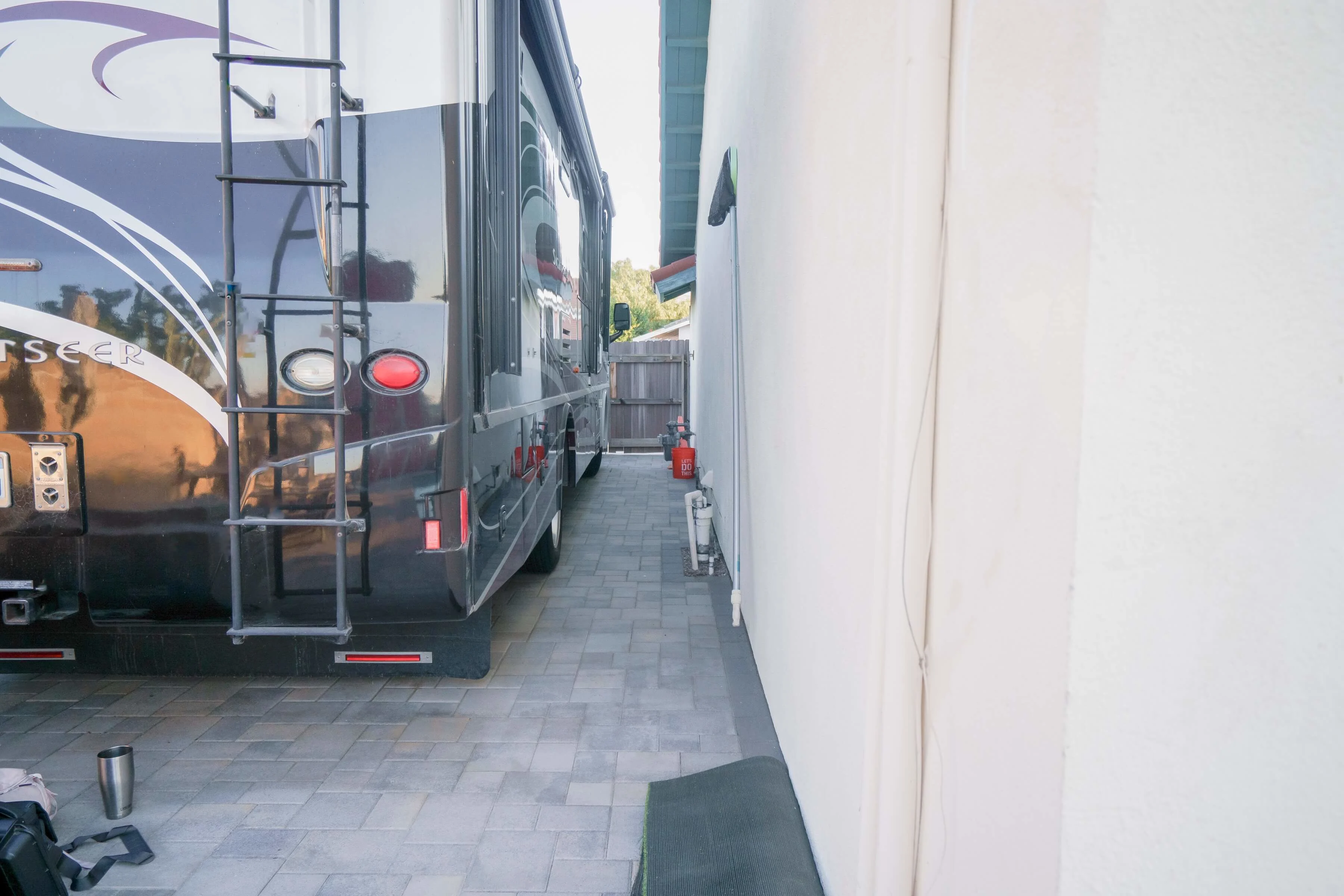
If you ever have to access something under your pavers (like utilities) or an area becomes damaged:
Individual pavers can be lifted
The base can be adjusted
The same pavers can be reinstalled
There’s no need to tear out large sections, and repairs blend seamlessly with the surrounding surface.
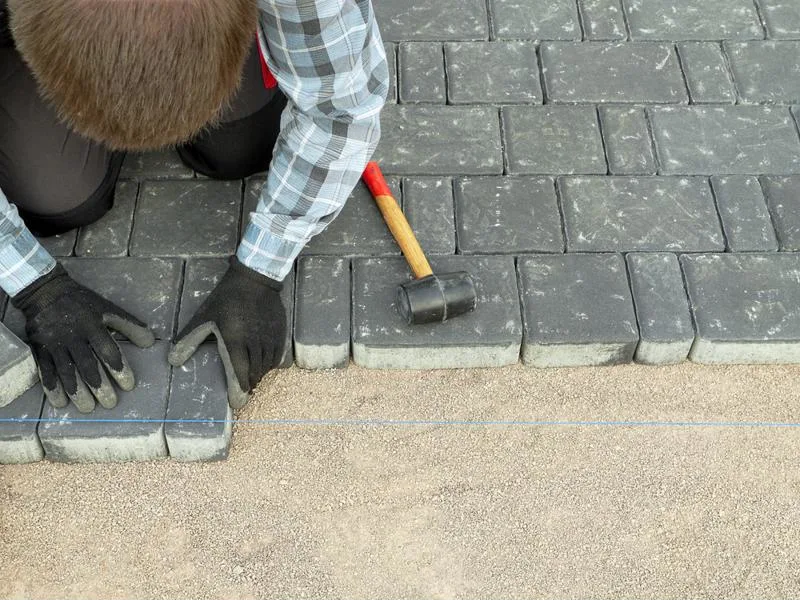
“Should a paving stone driveway ever need repairs, the process is relatively simple and inexpensive as you’ll only need to replace individual paving stones,” says Brundage.
Concrete: All-or-Nothing Repairs
When concrete cracks or settles:
Repairs require cutting or demolishing sections
Patches rarely match the original surface
Cracks often continue to spread
Concrete repairs are not only more disruptive—they’re also more visible and costly over time.
3. Maintenance Requirements Over Time
Pavers: Low Maintenance, Long Lifespan
Pavers are designed to last for decades with minimal upkeep. Typical maintenance includes:
Occasional rinsing or light cleaning
Optional joint sand refresh
Optional sealing for enhanced color protection
Because they don’t crack like concrete, ongoing maintenance costs remain low and predictable.
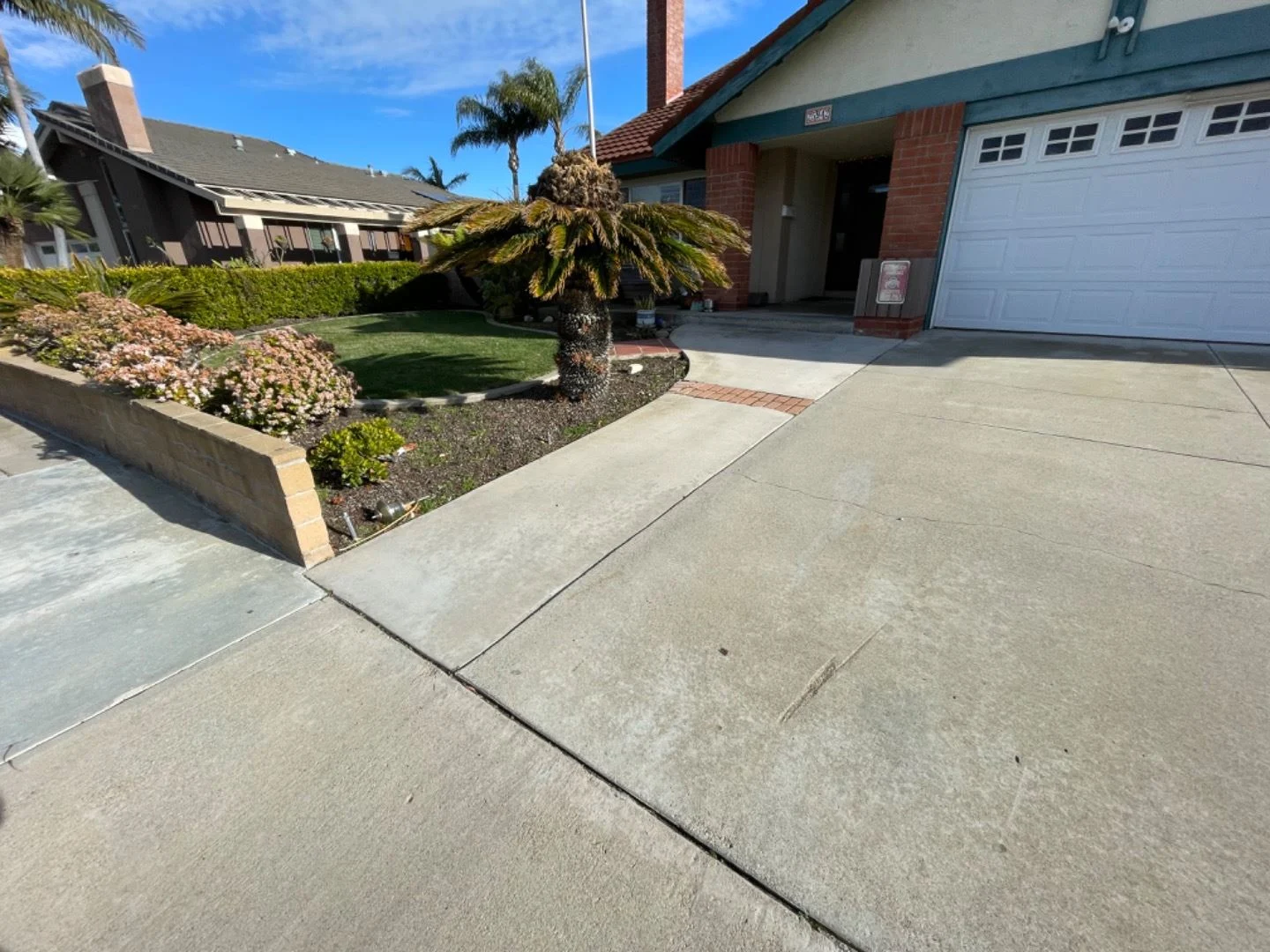
Concrete: Increasing Maintenance Over Time
Concrete often requires:
Crack repairs
Resurfacing
Sealing to prevent staining and discoloration
As concrete ages, maintenance becomes more frequent and more expensive.
4. Lifespan & Long-Term Cost
Pavers: A Smarter Long-Term Investment
While concrete may have a lower upfront cost, pavers typically offer:
Longer lifespan
Lower repair costs
Higher resale value
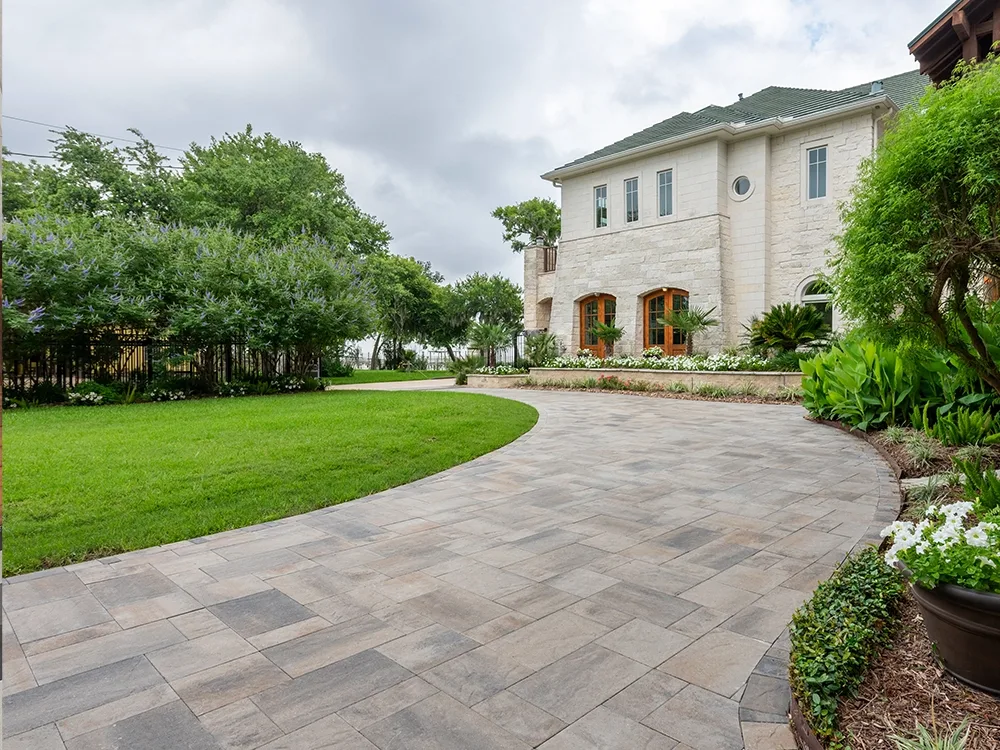
“Once you factor in a concrete driveway’s typical lifespan compared to a paving stone one, it’s clear a paver driveway can make a smarter long-term investment,” Brundage notes.
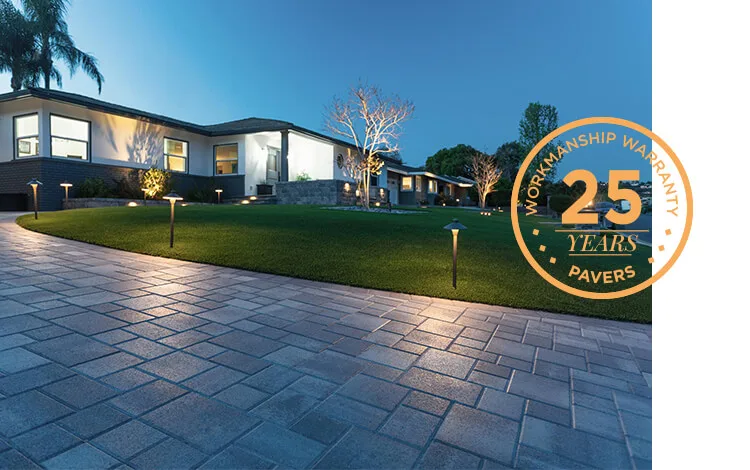
Professionally installed paver systems will last decades, especially when installed by an experienced paver installation company. Ours are all backed by our industry-leading 25-year warranty because we are confident in our work and the materials we use.
Concrete: Shorter Lifespan, Higher Lifetime Cost
Concrete driveways and patios often need significant repairs or replacement within 15–20 years. In harsher climates with freeze cycles they can break down even faster.
5. Curb Appeal & Design Flexibility
Pavers: Timeless Style That Enhances Value
Pavers come in a wide array of:
Colors
Shapes
Textures
Patterns
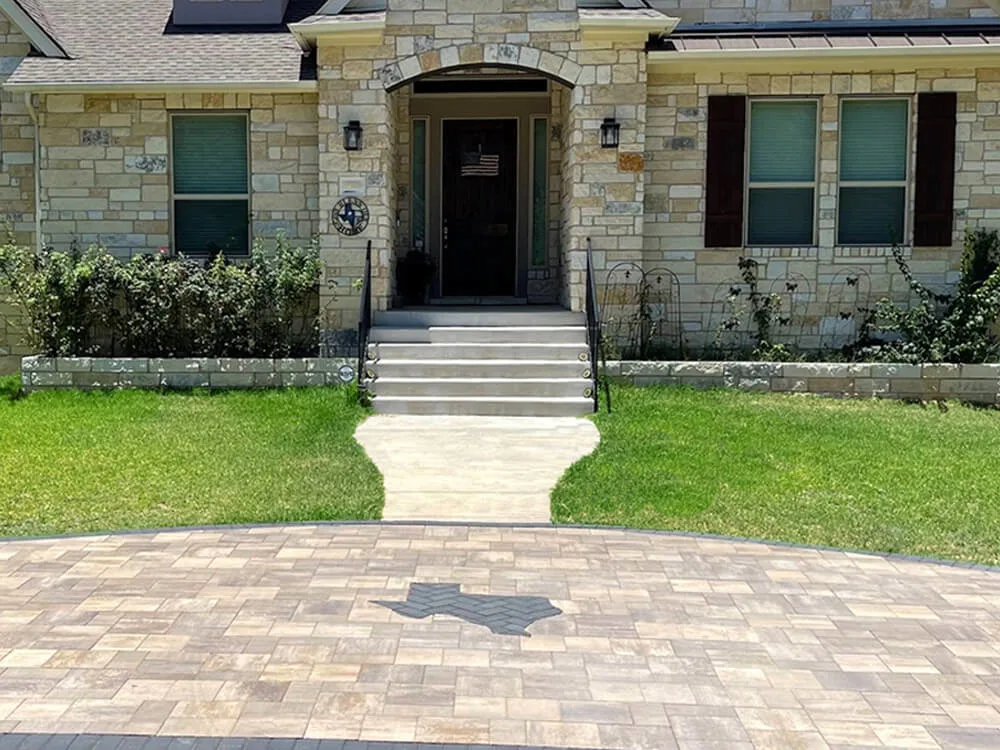
This design flexibility allows homeowners to create outdoor spaces that complement their home’s architecture and elevate curb appeal.
Pavers also maintain their appearance over time and are often backed by industry-leading warranties.
Concrete: Limited Customization & Discoloration
Concrete offers few aesthetic options and is prone to:
Fading
Staining
Discoloration
Over time, this can detract from your home’s overall appearance and value.
Pavers vs. Concrete: At-a-Glance Comparison
For a side-by-side breakdown of durability, maintenance, lifespan, and value, be sure to explore our pavers vs. concrete comparison charts, where we visually lay out the key differences to help simplify your decision.
View Pavers vs. Concrete Comparison Chart >
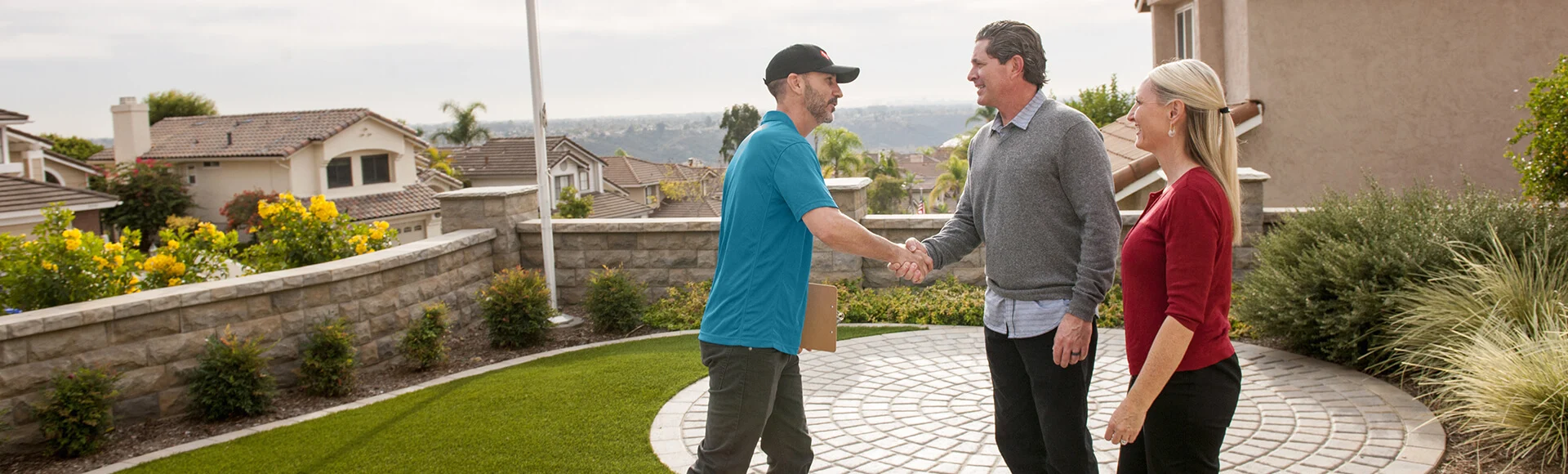
Why Choosing the Right Paver Installer Matters
Even the best materials require expert installation. If you’re searching for:
Pavers near me
Concrete vs pavers driveway
Best paver installer near me
Professional paver installation
Working with an experienced outdoor remodeling company ensures:
Proper foundation and base preparation
Long-term structural integrity
Projects backed by warranties
A seamless, stress-free experience
At System Pavers, we’ve spent over 30 years helping homeowners design and install outdoor spaces that stand the test of time. And working with pavers is where it all started!
Final Verdict: Do Pavers Outperform Concrete?
When you compare:
Strength
Durability
Repairability
Maintenance
Aesthetics
Long-term value
Pavers consistently outperform concrete over time.
Once you weigh the pros and cons, it’s clear that pavers are a smart long-term investment in your home’s beauty, functionality, and value.
If you’re ready to explore what’s possible with pavers (or you’d like help comparing your options) our local outdoor remodeling experts are here to help you create an outdoor space you’ll enjoy for generations.
Book your free, no-risk design consultation today >
Need inspiration for your paver project? Check out our Project Gallery!