The Right Way To Light Up Your Outdoor Living Space
Published Date: Nov 2, 2026
When the sun goes down, your backyard doesn't have to call it a night. The right outdoor lighting can transform a patio into a cozy evening retreat, make a walkway feel more welcoming, and turn an ordinary backyard gathering into a memorable night outdoors.
But great outdoor lighting does more than make your yard look beautiful after dark. It helps you feel safer while walking outside, highlights the textures of your pavers and architectural features, and creates an inviting atmosphere for everything from quiet evenings to lively get-togethers.
The secret is planning your lighting as part of your overall outdoor living space design. Instead of choosing a few fixtures at the end of a remodel, consider how light will work with your patio, walkways, landscaping, fire features, and entertaining areas from the very beginning.
Whether you're creating a brand-new backyard retreat or refreshing an existing patio, here's how to approach outdoor landscape lighting so your space looks beautiful, feels comfortable, and works for the way you live.
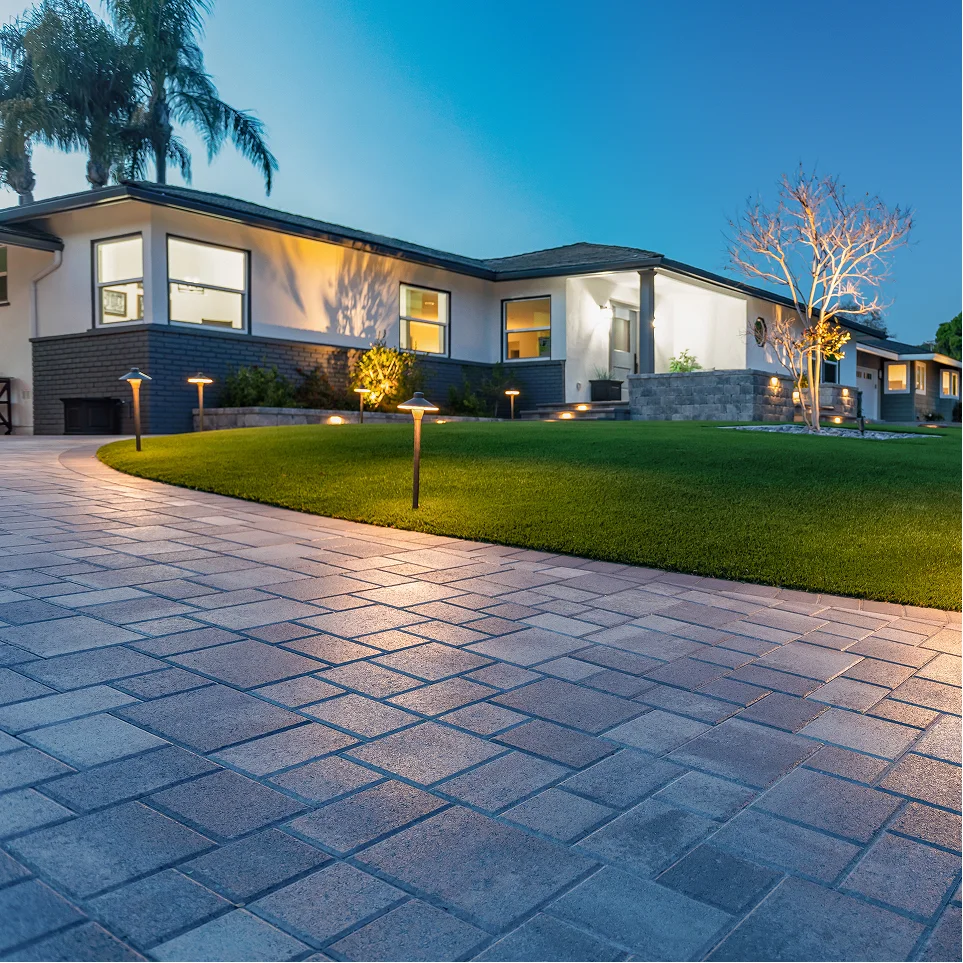
First...Why Outdoor Lighting Matters More Than You Think
Think about how you use your yard. You might enjoy breakfast on the patio, grill dinner with the family, or unwind outside after a busy day. Lighting is an important component of your outdoor design. However, as the seasons change and daylight hours get shorter, good lighting becomes even more needed in making those moments possible.
Thoughtful outdoor living space lighting helps you get more out of your yard in four important ways:
1. Extend your outdoor hours. With well-placed lighting, you can keep enjoying your patio, dining area, or fire pit long after sunset.
2. Improve visibility. Illuminated walkways, steps, and changes in elevation make it easier to navigate your yard after dark.
3. Create a welcoming atmosphere. Soft, layered lighting makes outdoor spaces feel warm and comfortable rather than dark or overly bright.
4. Show off your design. Lighting draws attention to beautiful pavers, mature trees, textured walls, architectural details, and other features that deserve to be seen.
Think of lighting as another design material, much like pavers, turf, or decking. It influences how your outdoor space looks and feels, and it helps individual elements work together as a cohesive whole.
What Types Of Outdoor Lighting Work Best For Patios And Backyards?
The best outdoor lighting design combines several types of illumination, each serving a different purpose. Some fixtures help you navigate safely, others provide light for specific activities, and others bring depth and character to the landscape.
Understanding the main options makes it easier to decide what your backyard needs.
1. Path lights for walkways and garden paths

Path lights help guide people along walkways, garden paths, and routes between different outdoor areas. They also create a welcoming first impression when positioned along a front entry or driveway.
For paver walkways, choose fixtures that illuminate the walking surface without shining directly into people's eyes. Spacing matters, too. A thoughtful arrangement creates a gentle rhythm of light rather than a runway effect.
Path lighting is particularly helpful when guests are moving between a patio, outdoor dining area, fire pit, and the house.
2. Step and riser lights for stairs and elevation changes
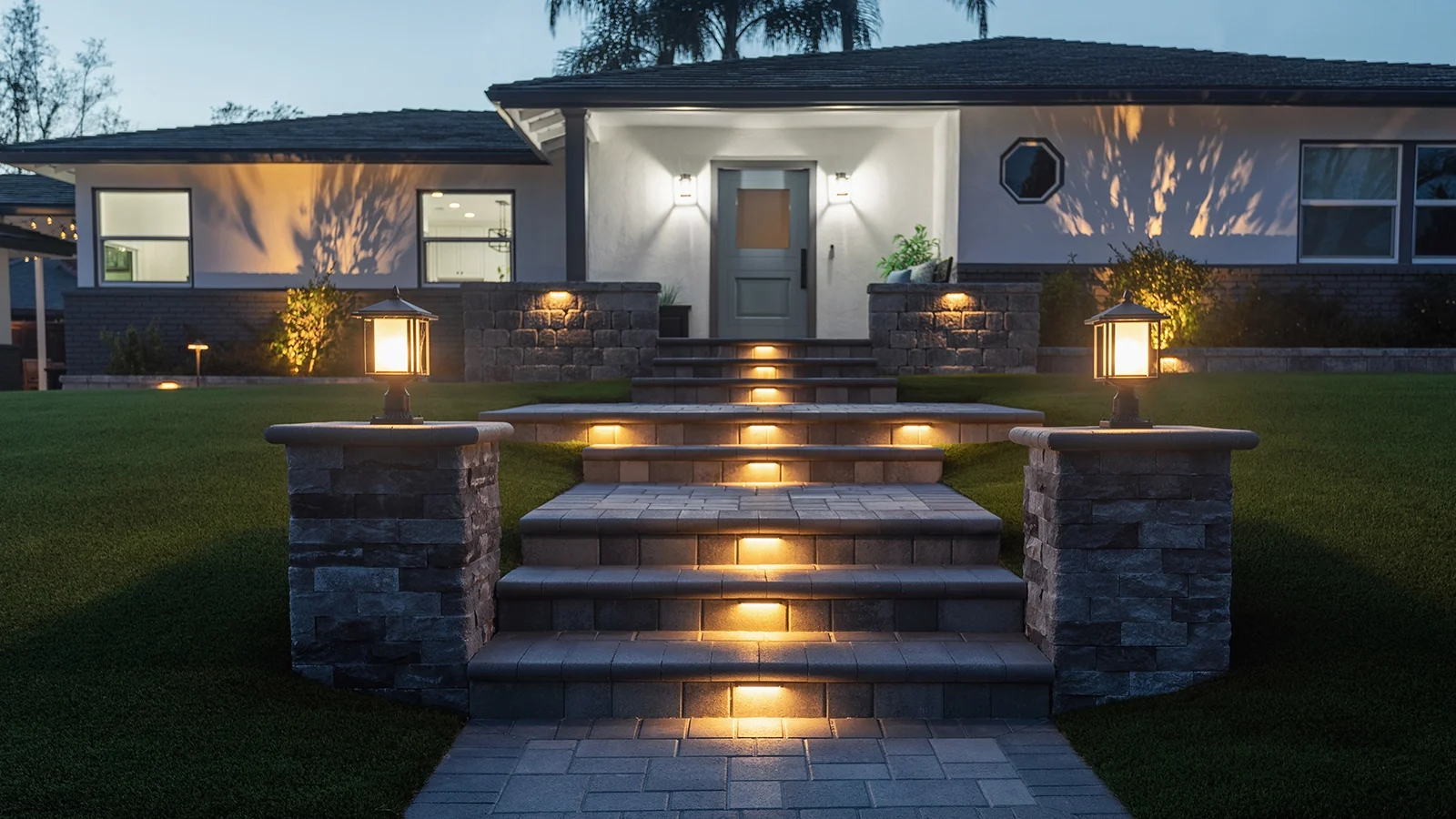
Steps, retaining walls, and changes in elevation deserve special attention. Even a small change in height can be difficult to see at night, especially when shadows obscure the edge of a step.
Step lights or riser lights illuminate these transitions while creating a clean, finished appearance. They can be incorporated into paver steps, walls, and other hardscape features as part of a larger lighting plan.
The goal is to make each step easy to identify without creating glare or distracting from the overall design.
3. Uplighting for trees and architectural features

Uplighting directs light upward from ground-level fixtures, drawing attention to trees, pillars, textured walls, and other focal points.
A light aimed toward the trunk and canopy of a beautiful tree can create dramatic shadows and reveal details that disappear after dark. Uplighting can also emphasize the texture of a stone wall or highlight a distinctive architectural feature.
This is one of the most effective landscape lighting ideas for adding visual interest without illuminating every part of the yard.
4. Downlighting for a natural, subtle effect

Downlighting directs illumination from above, often from a tree, pergola, wall, or other elevated structure. When positioned carefully, it can create a soft, natural effect similar that's easy on the eyes.
Use downlighting to gently illuminate a seating area, a garden path, or a portion of the patio. It can provide useful visibility while allowing the surrounding landscape to retain its nighttime character.
The key is to position fixtures thoughtfully so the light falls where it's needed without creating harsh shadows or shining directly into people's faces.
5. Accent lighting for design details
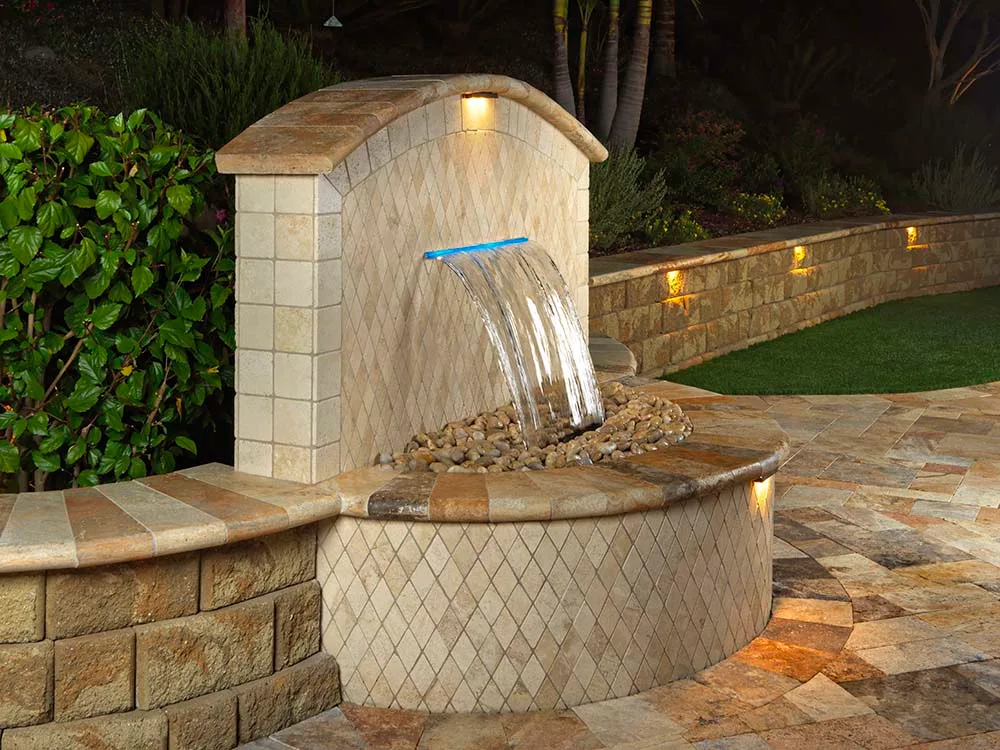
Accent lighting highlights specific elements you want people to notice, such as decorative planters, textured walls, water features, or distinctive paver patterns.
Rather than lighting everything equally, accent lighting creates contrast and visual depth. It helps guide the eye through the space, giving your backyard a more intentional, finished appearance.
Even a small number of carefully positioned accent lights can make a noticeable difference.
6. Task lighting for outdoor kitchens and grills

An outdoor kitchen needs practical illumination that makes cooking comfortable after sunset. Lighting should reach the grill, countertops, food-preparation areas, and other surfaces where you need to see what you're doing.
Outdoor kitchen lighting may include appropriately rated fixtures mounted under a patio cover, integrated lighting beneath cabinets, or focused fixtures positioned above work surfaces.
Choose lighting that provides clear visibility without creating glare on countertops or shining into the eyes of anyone sitting nearby. Fixtures must be suitable for their location and installed according to applicable electrical and safety requirements.
7. Ambient lighting for patios, dining areas, and lounge spaces

Ambient lighting provides the general illumination that makes an outdoor living area feel comfortable and usable.
Depending on your design, it might come from fixtures integrated into a covered patio, lights mounted on nearby structures, or a combination of indirect and low-level lighting.
For outdoor dining areas and lounge spaces, aim for a warm, welcoming glow rather than uniform brightness across the entire patio. The goal is to make it easy to see faces, enjoy a meal, and carry on a conversation without feeling like you're sitting under stadium lights.
How To Create The Right Atmosphere With Outdoor Lighting
Knowing which fixtures are available is only half the equation. The real magic happens when those fixtures work together.
If you're wondering how to incorporate lighting into your outdoor living space design, start by thinking about how you want to use each area after dark. Then build a lighting plan around those activities, balancing visibility with the mood you want to create.
Layer ambient, task, and accent lighting

A well-designed outdoor lighting plan typically includes three layers:
Ambient lighting provides general illumination for patios, dining areas, and seating spaces.
Task lighting delivers focused light where activities require better visibility, such as grilling or preparing food.
Accent lighting highlights focal points and adds depth to the landscape.
Consider a paver patio with an outdoor kitchen and a nearby fire pit. Task lighting makes it easier to prepare dinner, ambient lighting keeps the dining area comfortable, and subtle accent lights highlight a tree or textured wall in the background.
Each layer serves a purpose, and together they create a space that feels cohesive rather than overly illuminated.
Choose light that feels warm and comfortable
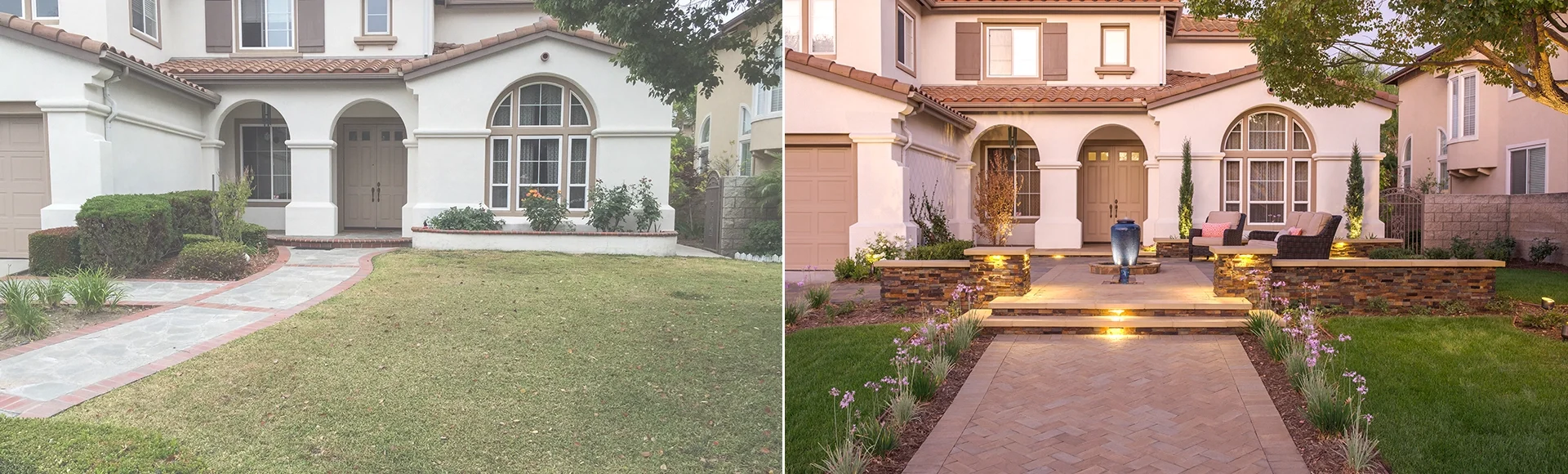
Brightness and color temperature both influence how your outdoor space feels.
For patios and entertaining areas, warm-white lighting often creates a relaxed, inviting atmosphere. Cooler or more intense light may be appropriate for certain functional areas, but using it everywhere can make a backyard feel stark.
You also don't need every fixture to produce the same amount of light. A cooking area may need brighter illumination than a lounge area, while a garden accent can be much more subtle.
Whenever possible, consider dimmable fixtures or separate lighting zones so you can adjust the atmosphere to suit the occasion.
Avoid glare and excessive illumination
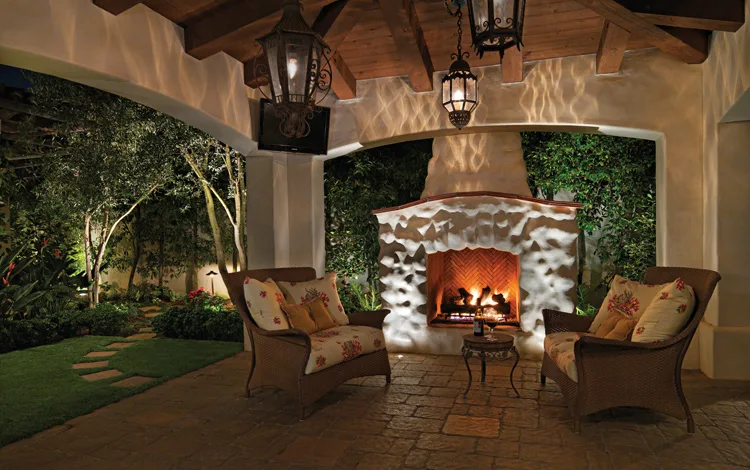
More light doesn't necessarily mean better lighting. Bright fixtures aimed toward seating areas can make it uncomfortable to relax outside, while poorly positioned lights may create distracting reflections and harsh shadows.
Instead, focus on directing light onto the surfaces and features you want to illuminate. Shielded fixtures, careful positioning, and lower-intensity accent lighting can help create a more comfortable result.
A good rule of thumb: Illuminate the space, not the eyes of the people enjoying it.
Create visual depth instead of lighting every inch

One of the most effective backyard lighting ideas is to embrace contrast.
A softly illuminated tree against a darker background, a glowing walkway leading toward a patio, or a subtle wash of light along a textured wall creates a sense of depth. Leaving some areas darker allows your focal points to stand out.
This approach can make a backyard feel more inviting and visually interesting than a design in which every corner is equally bright.
It can also be particularly effective in smaller yards, where a few carefully chosen focal points help create a sense of dimension without overwhelming the space.
How Do You Light An Outdoor Entertaining Space?

When planning backyard lighting for entertaining, think about the experience from the moment guests arrive until the last conversation around the fire.
Start with the routes people will use. Make sure entryways, walkways, steps, and transitions between the house and patio are easy to navigate. Next, consider the activities that will take place in each area, then choose lighting that supports those activities without competing with the atmosphere.
For example, a well-planned entertaining space might include:
A welcoming entrance: Path lights or subtle accent lighting make it easier for guests to find their way.
A comfortable dining area: Warm ambient lighting helps everyone see their food and enjoy conversation.
A functional outdoor kitchen: Focused task lighting illuminates the grill and food-preparation surfaces.
A relaxing lounge area: Soft lighting creates a comfortable setting for unwinding after dinner.
A fire pit gathering space: Low-level landscape lighting helps people move around the seating area, while the fire provides its own natural glow.
Speaking of fire features, don't forget to illuminate yours even when it's not lit
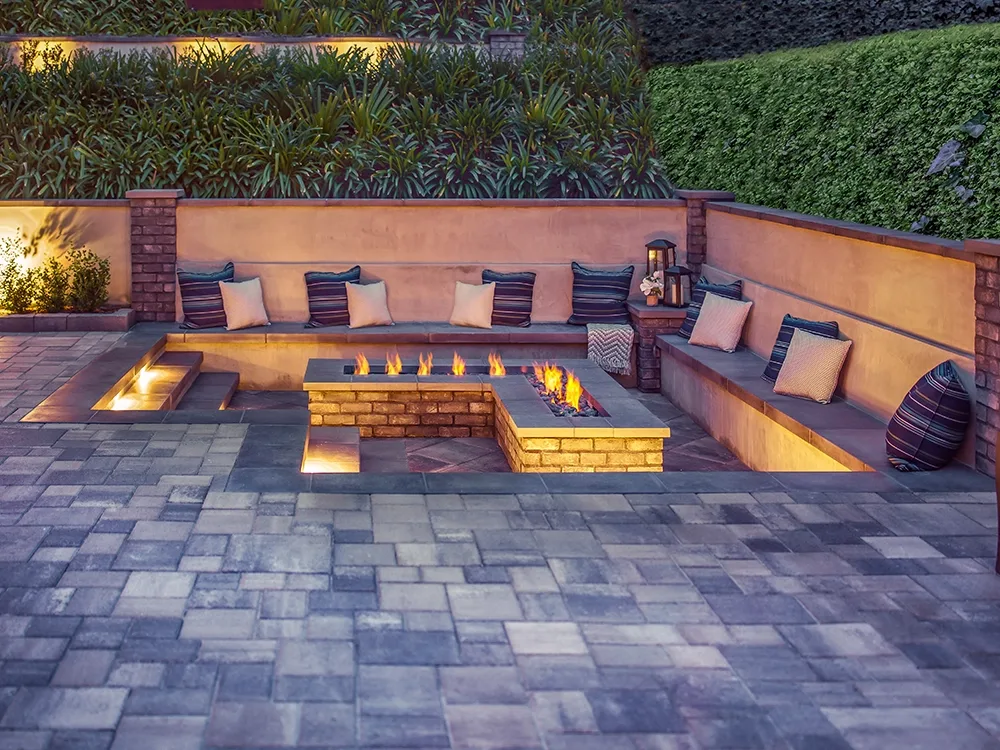
A fire pit or outdoor fireplace can become the centerpiece of an evening entertaining area. The flicker of flames adds movement, warmth, and a natural focal point that electric lighting can't quite replicate.
The trick is to let the fire feature complement your lighting plan rather than compete with it. Subtle path lights, low-level illumination around steps, and gentle accent lighting nearby can help people navigate while preserving the cozy feeling of gathering around the fire.
Avoid positioning bright fixtures where they overpower the flames or shine directly into people's faces as they sit around the fire.
Fire features also require appropriate clearances and safe installation. Lighting, wiring, seating, and surrounding materials should be planned with the specific fire feature and its manufacturer's requirements in mind. Sound confusing? Don't worry, this is where your local outdoor remodeling expert like the pros at System Pavers will take care of every detail.
What Is The Best Lighting For A Paver Patio?
The best paver patio lighting depends on the patio's layout, surrounding features, and how you plan to use the space. In many designs, a combination of low-level path or step lighting, subtle accent lights, and ambient illumination creates a practical and attractive result.
Pavers offer opportunities to integrate lighting into the overall hardscape design. For example, lights can be incorporated into adjacent steps or walls, while nearby landscape fixtures can highlight the patio's edges and surrounding greenery.
Here are three approaches worth considering:
Highlight the patio's shape. Lighting along selected edges or nearby features can help define the patio after dark without outlining every inch of paving.
Emphasize texture and structure. Light directed across a textured wall or toward a landscape feature can create shadows that add depth to the surrounding hardscape.
Connect the patio to the rest of the yard. Lighting along connecting walkways, steps, and garden areas helps the patio feel like part of a larger outdoor living environment.
If you're installing a new paver patio, plan for lighting before construction begins. Fixture placement, wiring routes, steps, walls, and other structural details are easier to coordinate when they're part of the original design.
Already have a patio? You can still explore ways to add outdoor landscape lighting. A thoughtful lighting plan can refresh an existing hardscape and make it more functional after dark.
Common Outdoor Landscape Lighting Mistakes To Avoid
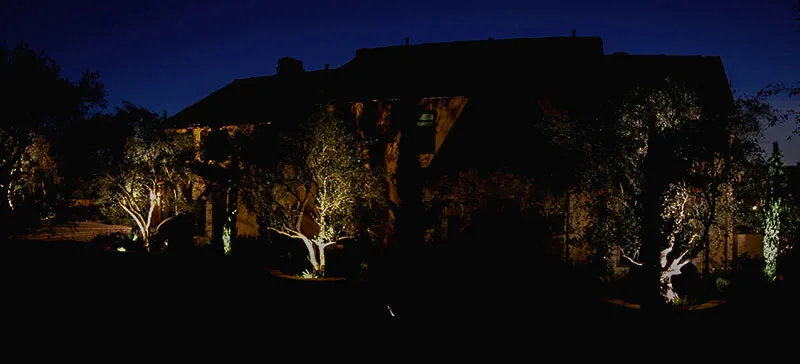
Even beautiful fixtures can produce disappointing results when they're poorly placed or treated as an afterthought. Avoiding a few common mistakes can help you get more from your investment.
Waiting until the end of a remodel to plan lighting
This is one of the biggest missed opportunities. When lighting is considered only after the patio, walls, steps, and outdoor kitchen are complete, fixture placement and wiring options may be more limited.
Planning early allows lighting to work naturally with the layout and construction instead of forcing it into whatever space remains.
Relying on one bright fixture
A single powerful light may illuminate a large area, but it often creates flat, harsh lighting and deep shadows elsewhere.
Layering several appropriately placed fixtures typically produces a more balanced result, with better visibility and a more inviting atmosphere.
Creating glare around seating areas
Fixtures that shine directly into people's eyes can make a beautiful patio uncomfortable to use. Consider viewing angles from seated and standing positions, and direct illumination toward the intended surface rather than outward into the space.
Overlooking walkways, steps, and transitions
It's easy to focus on dramatic features and forget the practical routes connecting them. Make sure people can navigate steps, changes in elevation, and paths between the house, patio, kitchen, and fire pit.
Mixing incompatible fixture styles or color temperatures
Outdoor lighting doesn't have to match perfectly, but it should feel coordinated. An assortment of fixtures with noticeably different finishes or light colors can make the overall design feel disjointed.
Choose fixtures that complement your home's architecture and outdoor materials, and keep color temperatures reasonably consistent within connected spaces unless a deliberate contrast serves a purpose.
Ignoring maintenance, wiring, and long-term access
Outdoor fixtures must withstand weather and exposure, and their installation needs to account for wiring, drainage, landscaping, and future access.
Choose appropriately rated products, use suitable installation methods, and consider how fixtures will be maintained if nearby plants grow or outdoor features change. LED lighting is often a practical choice because of its energy efficiency and long operating life, although actual performance depends on the product and conditions.
For electrical work, use qualified professionals and follow local codes and manufacturer instructions. Low-voltage systems also have installation requirements, including appropriate wire protection and burial depth where applicable.
When Should You Incorporate Lighting Into An Outdoor Remodel?

The best time to plan outdoor lighting is during the initial design stage, before construction begins.
That's when you can coordinate fixture placement with paver patios, walkways, steps, outdoor kitchens, fire features, and other elements of your outdoor living space. Planning ahead also helps account for electrical requirements, wiring routes, and the practical details that can be harder to address after installation.
A professional outdoor design consultation can help bring all these elements together. By looking at how you want to use your yard, where people will move and gather, and which features deserve attention, a designer can help create a cohesive plan that balances beauty, comfort, and function.
At System Pavers, outdoor lighting can be part of a larger outdoor remodel or an update to an existing hardscape. Our design and installation approach considers how individual features work together to create an outdoor space that feels thoughtfully planned from the beginning.
Make Every Evening An Opportunity To Enjoy Your Backyard

Your outdoor living space shouldn't lose its appeal when daylight fades. With the right lighting design, a patio becomes an inviting place for dinner, a walkway feels more welcoming, and a fire pit becomes the natural gathering spot for cool evenings with family and friends.
The most successful outdoor lighting plans combine practical visibility with thoughtful layers of light, highlight the features that make your yard special, and support the way you want to use your space.
Whether you're planning a complete backyard transformation or looking for ways to get more out of your existing patio, start by thinking about how you want your outdoor space to feel after sunset.
Then bring those ideas together with a design that makes every detail work in harmony.
Ready to make more of your outdoor space? Schedule a free, no-obligation design consultation with System Pavers to explore outdoor lighting and other ways to create a beautiful, functional backyard you'll enjoy well into the evening.