Is Artificial Turf Worth It for a Backyard?
Published Date: Jul 10, 2026
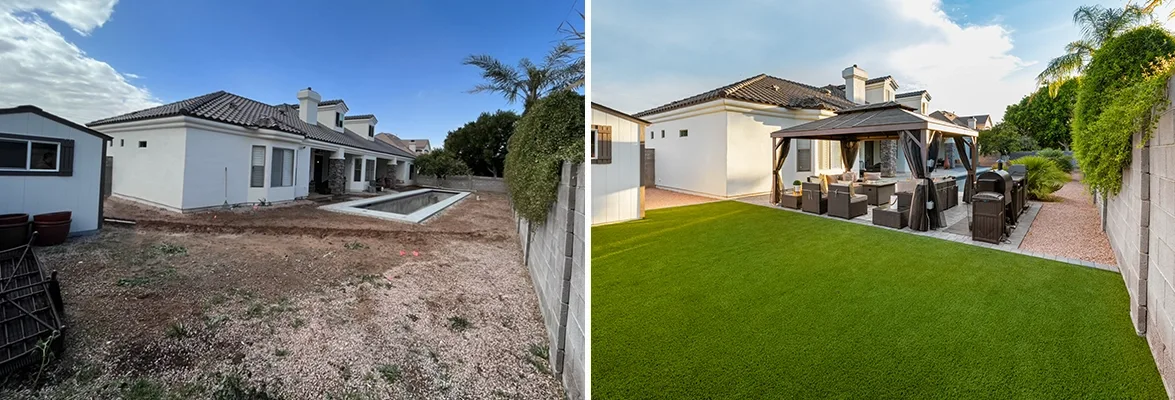
Artificial is a popular outdoor upgrade. That’s because it provides homeowners with a yard that they can enjoy year-round, without needing any of the work that goes into maintaining natural grass. The allure of artificial turf leads many to wonder: Is artificial turf worth it for the backyard?
The honest answer is that it depends on the homeowner. While artificial turf has its drawbacks and may not be for everyone, it offers plenty of great benefits as well. Here’s what to know if you’re considering installing artificial turf in your backyard.
Key Takeaways
• With artificial turf, you don’t have to mow, water, or fertilize your yard, which adds up to real time and money saved over the years.
• While artificial turf can cost you upfront, some of those costs can be recouped through water savings, especially in drought-heavy regions.
• Modern artificial turf products for the backyard offer better drainage, more realistic texture, and more pet-friendly options than what used to be available on the market.
• Investing in professional artificial turf installation ensures the highest quality and longest lasting turf.
What Is Artificial Turf for Backyard Spaces?
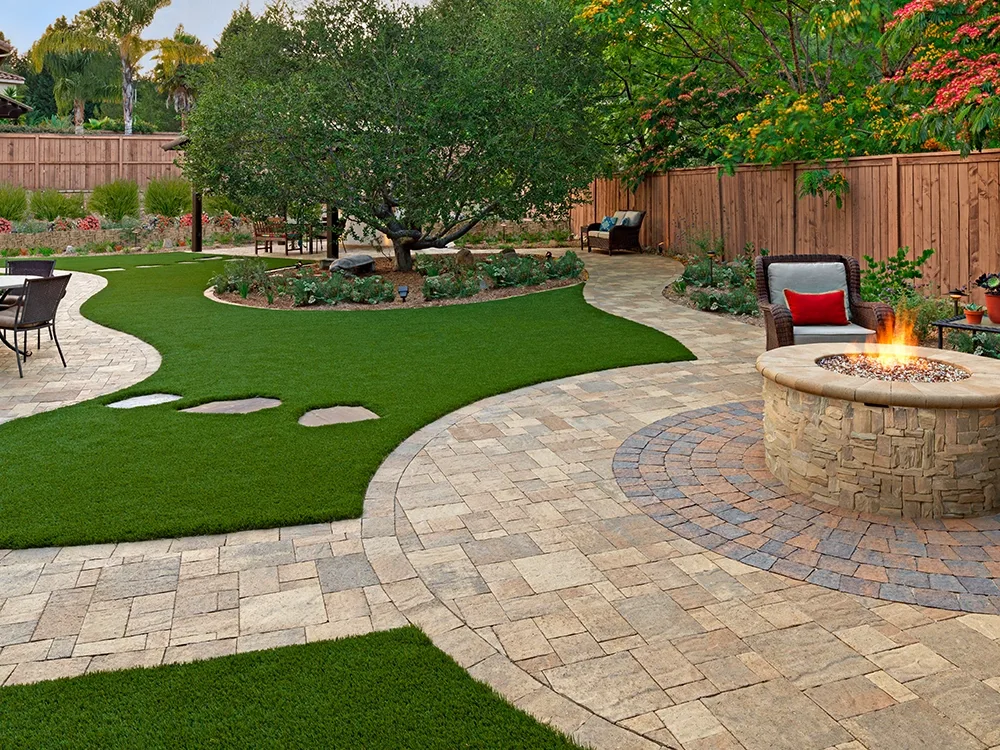
Artificial turf is a synthetic surface made to replicate the look and feel of natural grass. Today's products use advanced materials—typically polyethylene or polypropylene fibers—that are engineered to mimic the texture, color variation, and movement of real grass blades.
Artificial lawns have improved over the years and become a popular outdoor upgrade for homeowners. High-quality products now feature built-in drainage systems that handle rain and pet waste efficiently, UV-resistant fibers that won't fade in direct sunlight, and infill materials that help support a cool surface, even on hot days.
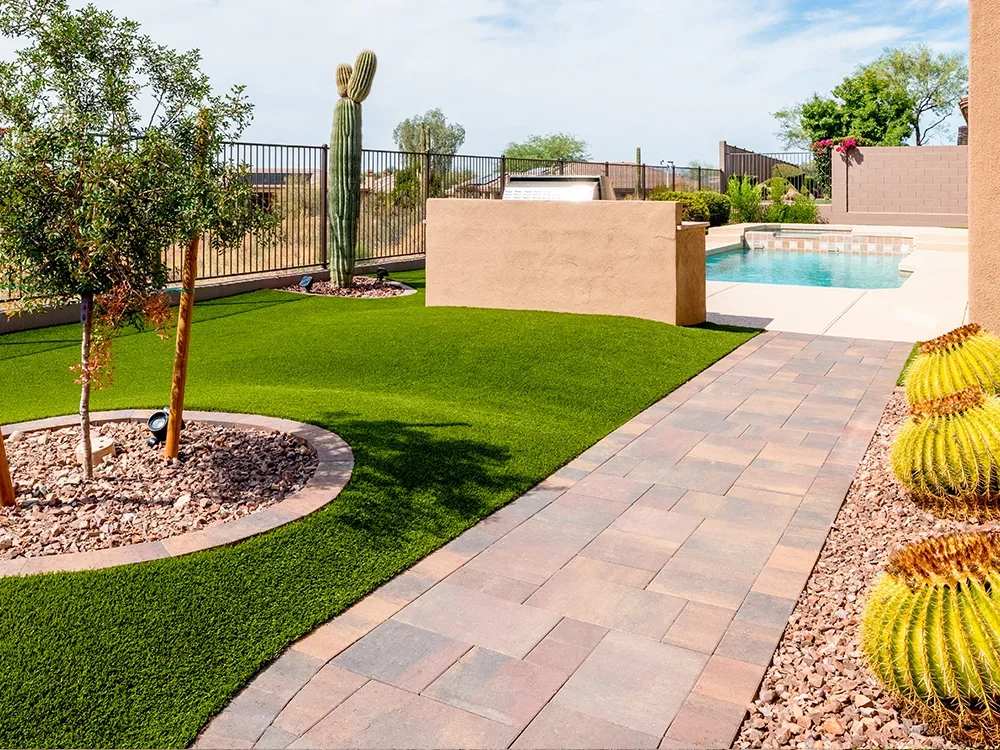
Homeowners may choose to install artificial turf in their yards to create spaces such as:
• Play areas
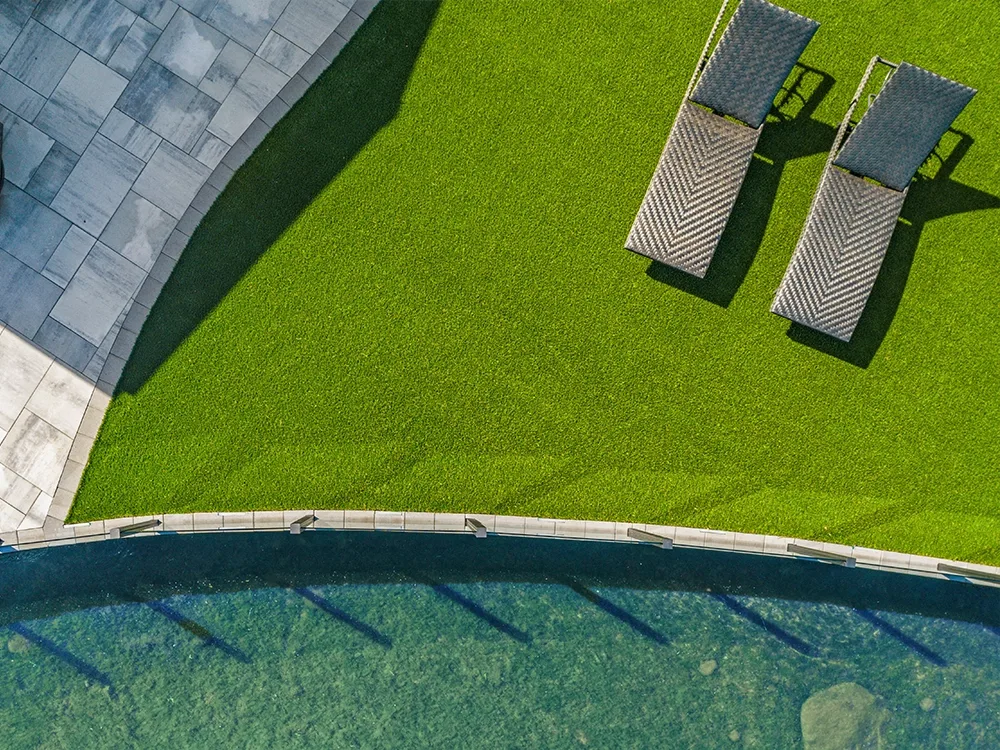
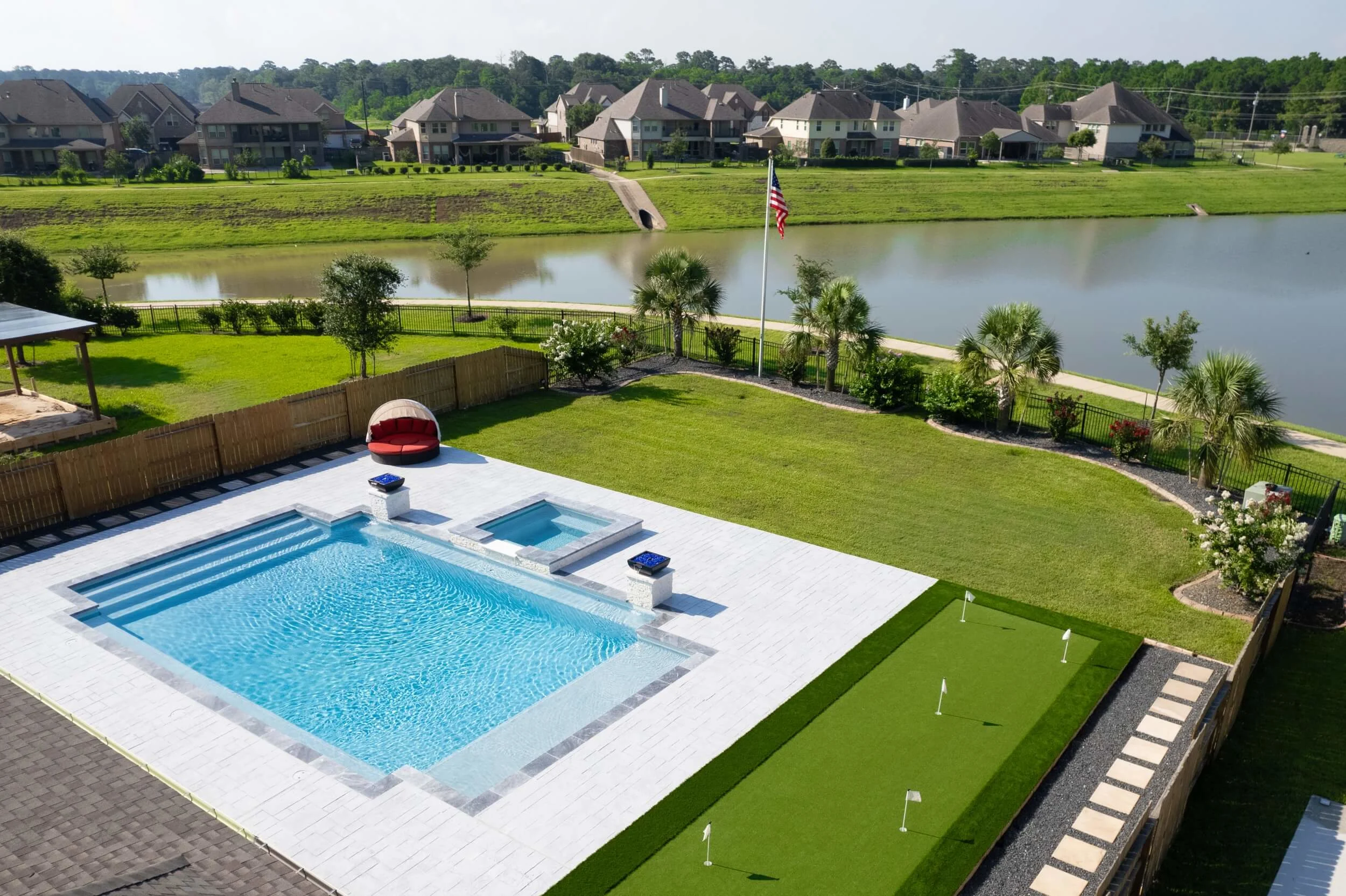
• Pool surrounds
• Pet runs
• Outdoor entertaining spaces
Is Artificial Turf Worth It? Pros & Cons
To determine whether artificial grass is worth it for your yard, review the pros and cons of installing it.
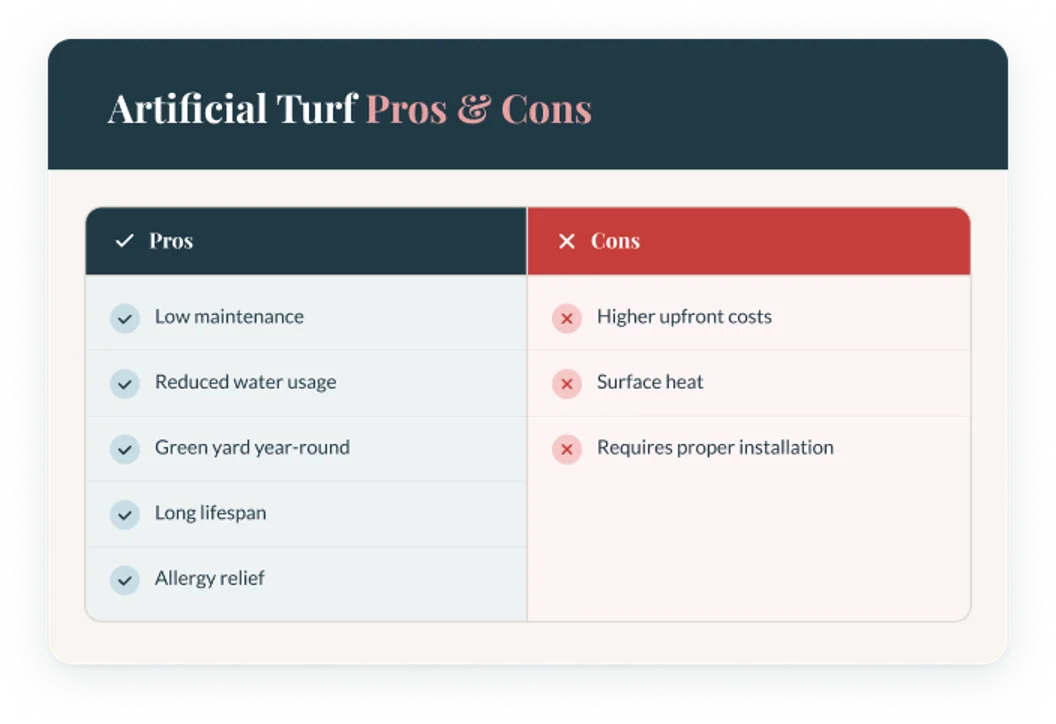
Benefits of Artificial Turf
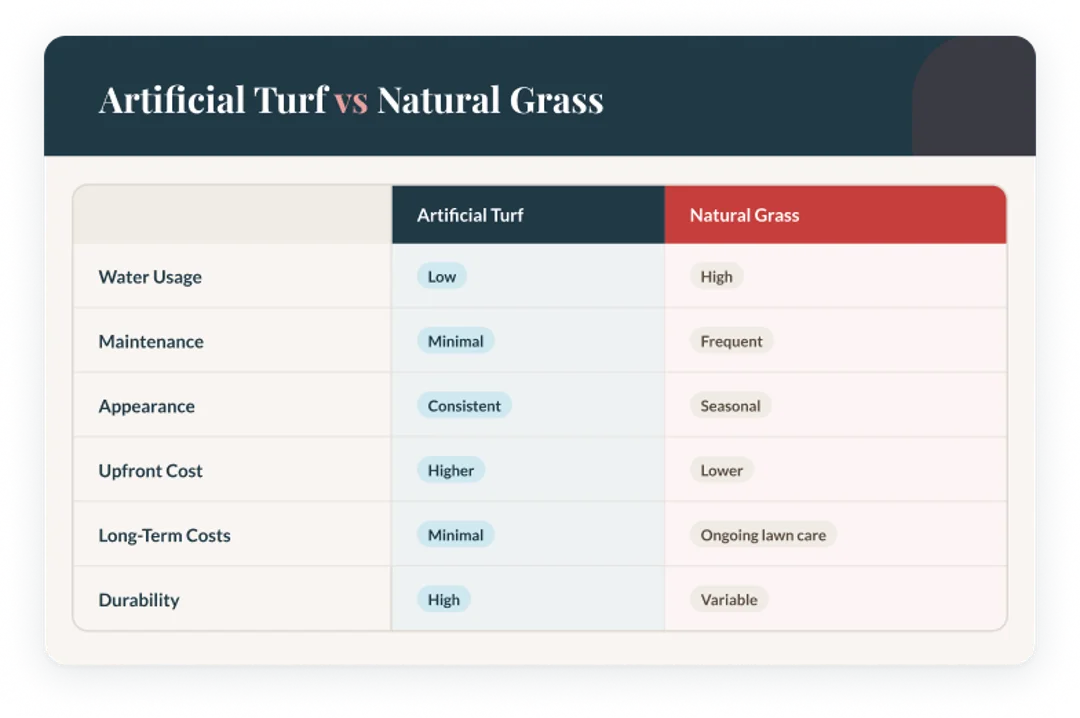
Lower Maintenance: Keeping natural grass alive and healthy requires constant attention and maintenance. You have to mow the lawn, water it, add fertilizer as needed, and so on. Artificial turf doesn’t require any of this maintenance, while still providing the plush feel of grass.
Reduced Water Usage: Natural grass requires a lot of water, especially in warm, dry climates. Artificial turf, on the other hand, requires almost no water other than an occasional rinse.
Year-Round Green Appearance: With artificial turf, you get a green yard year-round. Natural grass tends to change with the seasons, freezing over in winter, turning brown in the summer heat, and getting muddy when it rains.
Durability: Artificial turf is designed to handle heavy foot traffic and use, whereas natural grass can develop bald spots, holes, and tears over time.
Allergy Relief: Natural grass can trigger allergies for some people. With artificial turf, you don’t have to worry about pollen or grass particles getting kicked up and tracked around your home.
Drawbacks of Artificial Turf
Higher Upfront Cost: The main downside of artificial turf is that it can come with a hefty upfront cost. Depending on your yard size, chosen product, and local labor rates, you might be looking at anywhere from $10 to $20+ per square foot installed. The final price will be affected by factors such as the size of your yard, materials, drainage options, and cost of labor.
Surface Heat: Artificial turf tends to absorb more heat than natural grass on hot summer days, which is a consideration when you live in a warm climate. However, you can manage the heat with cooling infill options, strategic shading, or even a quick rinse with a hose when it gets too hot.
Installation Quality Matters: A lawn installed without proper base preparation or drainage will develop problems such as uneven surfaces that create tripping hazards, pooling water after rain, seams that separate, and premature fiber wear. This is why it’s so important to do your research and partner with an experienced installer.
Is Artificial Grass Worth It for Families with Pets or Kids?
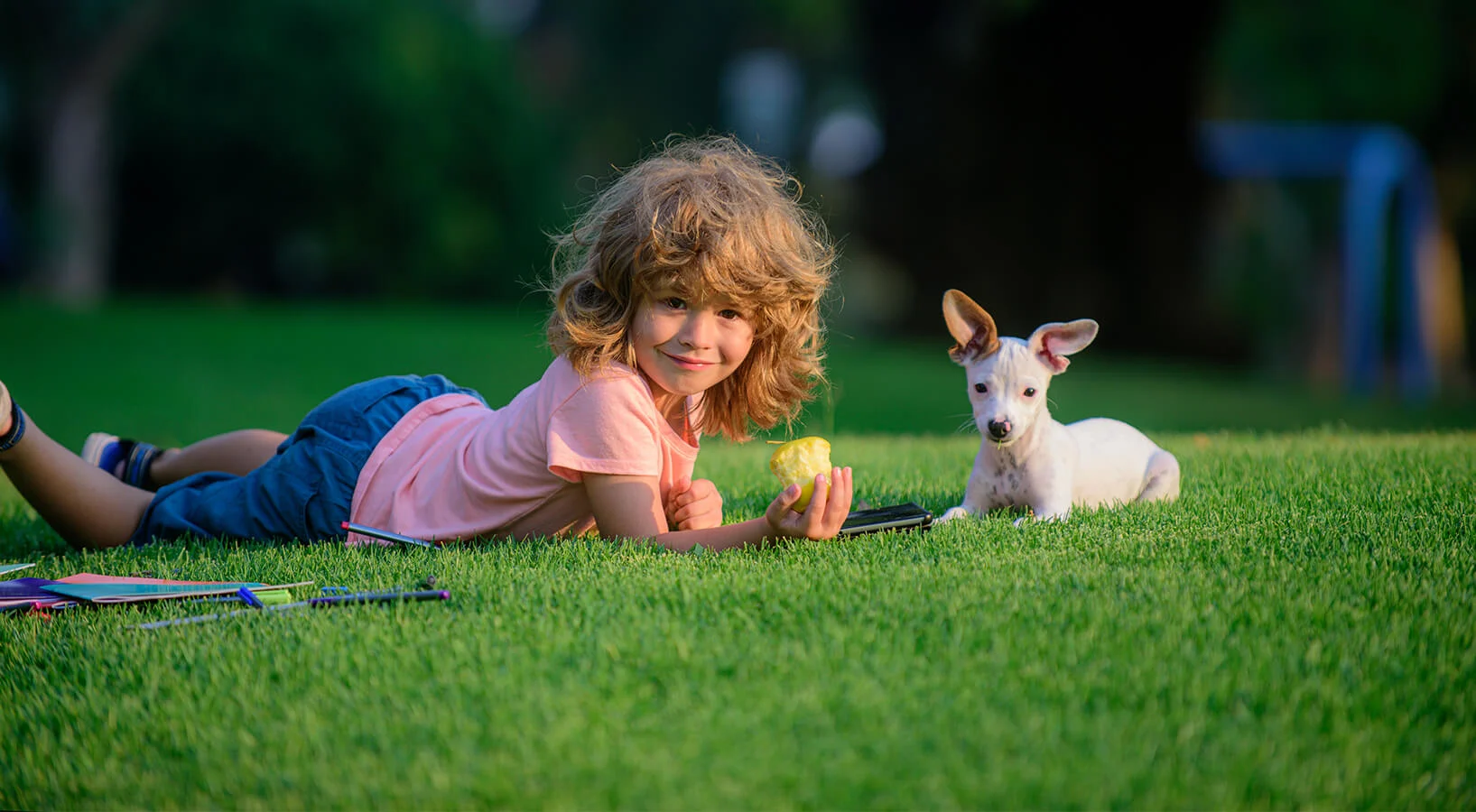
Artificial turf can be a great choice for families with pets or kids. For pets, artificial turf provides a convenient area to run around in and offers efficient drainage for pet waste. For kids, artificial turf serves as a safe play surface that can be used year-round.
Pet-Friendly Advantages
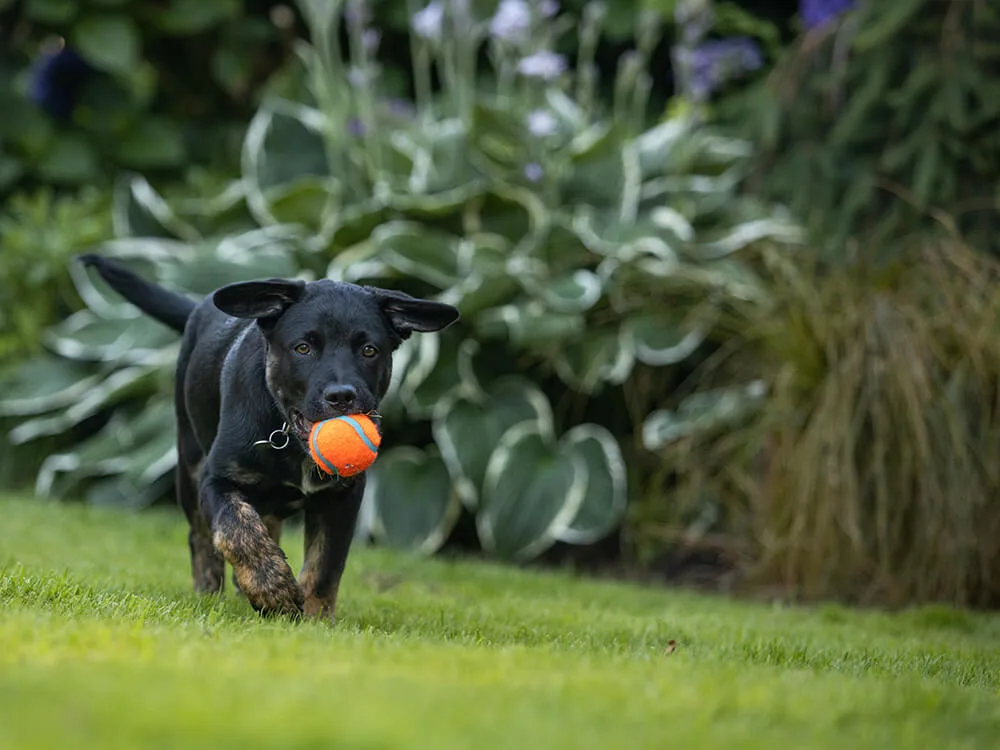
Dogs are tough on natural grass. Between digging, running the same paths repeatedly, and bathroom habits, natural lawns in pet households often look rough. Artificial turf holds up to active dogs without developing ruts or dead spots.
Waste cleanup is straightforward—solid waste gets removed like normal, and liquid waste drains through the turf into the base layer. Pet-specific turf options often include antimicrobial infill to control odor. And, on a more practical note, artificial turf means no more muddy paws tracking dirt across your floors every time it rains.
Safer Play Areas for Children
A level, consistent surface with no bare patches, rocks, or uneven ground is genuinely safer for kids running and playing. Some installations include padded underlayment that adds a soft layer beneath the turf, similar to what you'd find in playground equipment areas.
Additionally, kids can spend hours rolling around in the yard without exposing themselves to lawn chemicals or covering themselves in pollen and other allergens that they track into the house.

How Long Does Artificial Turf Last?
With professional installation and as-needed maintenance, artificial turf typically lasts 15–20 years. Premium products on the higher end of that range are not uncommon when properly cared for.
Lifespan is affected by several factors:
• How heavily the area is used
• The climate (warmer climates tend to be harder on artificial turf)
• The quality of the artificial grass
• The quality of installation
Maintenance Tips to Extend Lifespan
Follow these tips to maximize the lifespan of your backyard’s artificial turf:
• Remove debris regularly
• Rinse pet areas when needed
• Brush fibers occasionally
• Avoid placing extremely hot objects directly on turf
• Schedule inspections if drainage problems appear
Artificial Turf vs Natural Grass Comparison
Tips for Choosing the Best Artificial Turf for Your Backyard
If you’re shopping around for artificial turf to make your backyard idea come to life, keep these tips in mind.
1. Prioritize Drainage
A turf system is only as good as what's underneath it. Make sure any product and installer you consider can speak specifically to drainage performance. This is especially important if you live in a wetter climate. Proper base prep and a permeable backing are non-negotiables.
2. Consider Blade Height and Texture
Not all turf looks and feels the same. Shorter blades give a cleaner, more modern aesthetic that works well for entertaining spaces and pool surrounds. On the other hand, taller, softer blades are more comfortable for kids and pets playing on the surface for hours at a time.
Ask any potential turf installers if you can see some turf samples and, if possible, visit a completed turf lawn before committing.
3. Look for UV Protection
UV-resistant fibers hold their color significantly longer than non-treated products, which is a relevant consideration in hotter climates. A turf that fades within a few years can lead to disappointing results. Look for products with UV stabilizers built into the fibers, not just coatings.
Note: All of our System Turf options comes with this built-in protection to ensure the ultimate in beauty and longevity.
4. Choose Professional Installation
While you may consider taking on artificial turf installation as a DIY project, you likely won’t achieve the same results that a professional could deliver. There are many considerations when it comes to installing artificial turf in a backyard, and even small mistakes can decrease the turf’s lifespan and lead to issues in the long run.
When choosing a local artificial turf installer, make sure to ask for samples, read reviews, and look at their past work. Take a look at System Pavers’ project gallery for artificial turf installation examples.
Final Notes
So, is artificial turf worth it? For many homeowners, the answer is yes. While the decision to install it ultimately depends on your personal preferences, artificial turf offers an unmatched level of convenience and can help you assemble the perfect summer backyard.
At System Pavers, we specialize in creating outdoor spaces that are as functional as they are beautiful. From artificial turf installation to pavers, patios, decking, and complete backyard transformations, our team handles every detail of the project. If you’re on the fence about whether artificial grass is worth it for your yard, reach out to ask questions or schedule a free consultation.
Check out our current offers to save on your turf installation and outdoor remodel.
Book your free consultation now >
Frequently Asked Questions
Is artificial turf worth the money?
For most homeowners, artificial turf is worth it in the long term. While the upfront cost is higher than sod or natural grass, the time and money saved on water bills, lawn care services, and ongoing maintenance typically offset that investment within a few years.
Is artificial grass worth it in warmer climates?
Yes, artificial turf offers a number of important advantages in warmer climates. The water savings are more significant, natural grass is harder to keep alive through heat and drought, and drought restrictions often limit irrigation options anyway.
The one consideration in hot climates is surface heat because artificial turf can get hot when exposed to long stretches of direct sunlight. However, this can be mitigated with the right infill and shade placement.